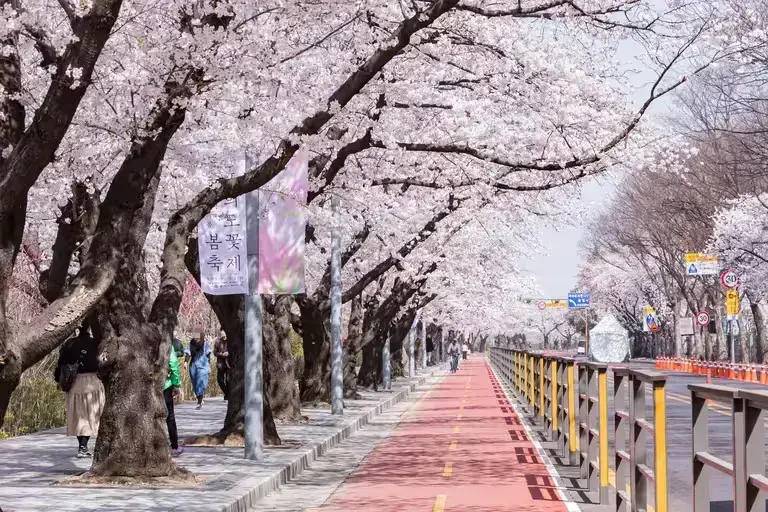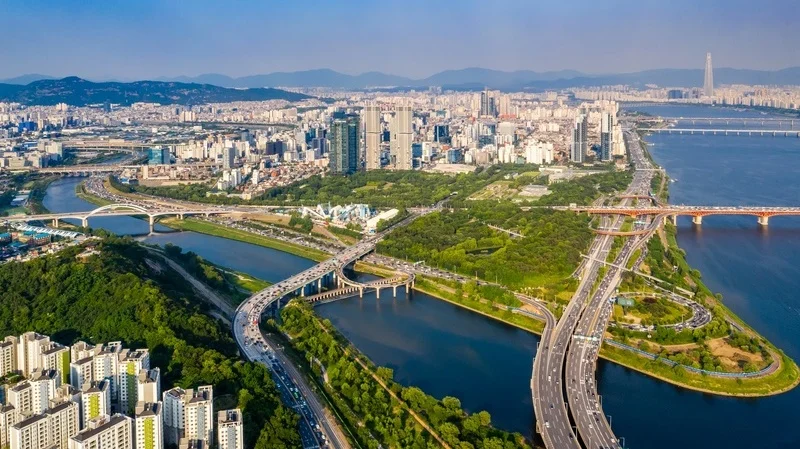

Exploring Gwanghwamun and Gyeongbokgung Palace – A Historical Journey in Seoul
Gwanghwamun, the main gate of Gyeongbokgung Palace, and the palace itself are two of Seoul’s most iconic landmarks, steeped in Korean history and culture. Located in the heart of the city, these sites attract visitors from all over the world for their stunning architecture and rich heritage.
Gwanghwamun Gate – The Grand Entrance
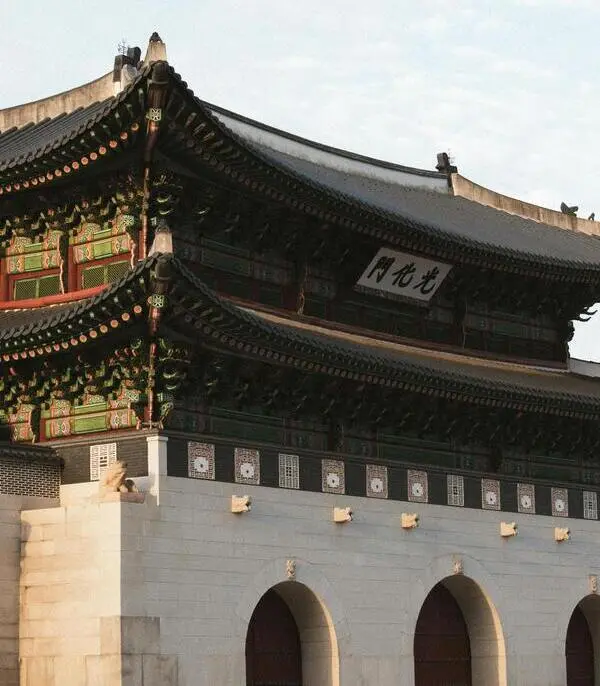
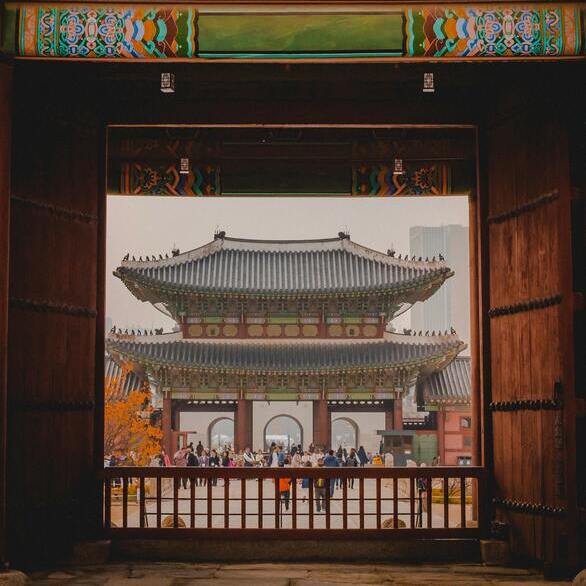
Gwanghwamun (광화문) is the largest and most significant of Seoul's palace gates. Originally constructed in 1395, it served as the main entrance to Gyeongbokgung Palace during the Joseon Dynasty. Though it was destroyed and reconstructed multiple times throughout history, it was fully restored to its original grandeur in 2010.
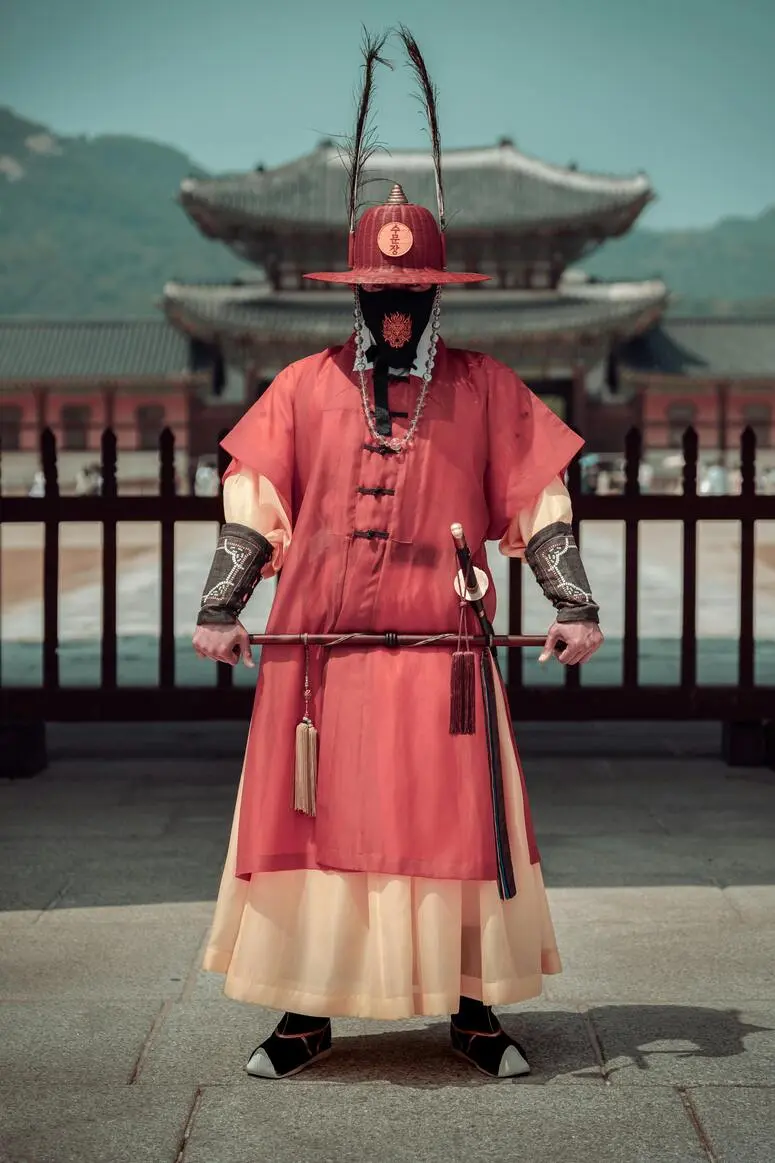
Standing before Gwanghwamun, you’ll see the iconic statues of King Sejong the Great and Admiral Yi Sun-sin, two of Korea’s most revered historical figures. The plaza also hosts cultural performances, including the changing of the royal guard ceremony, which is a must-see for visitors.
Gyeongbokgung Palace – A Symbol of Royal Heritage
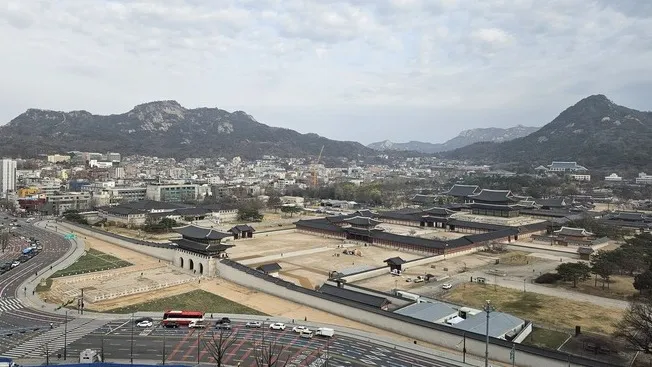
Built in 1395, Gyeongbokgung (경복궁), meaning "Palace Greatly Blessed by Heaven," was the largest of the Five Grand Palaces of the Joseon Dynasty. Though it suffered destruction during the Japanese invasions and occupation, restoration efforts have preserved much of its former glory.
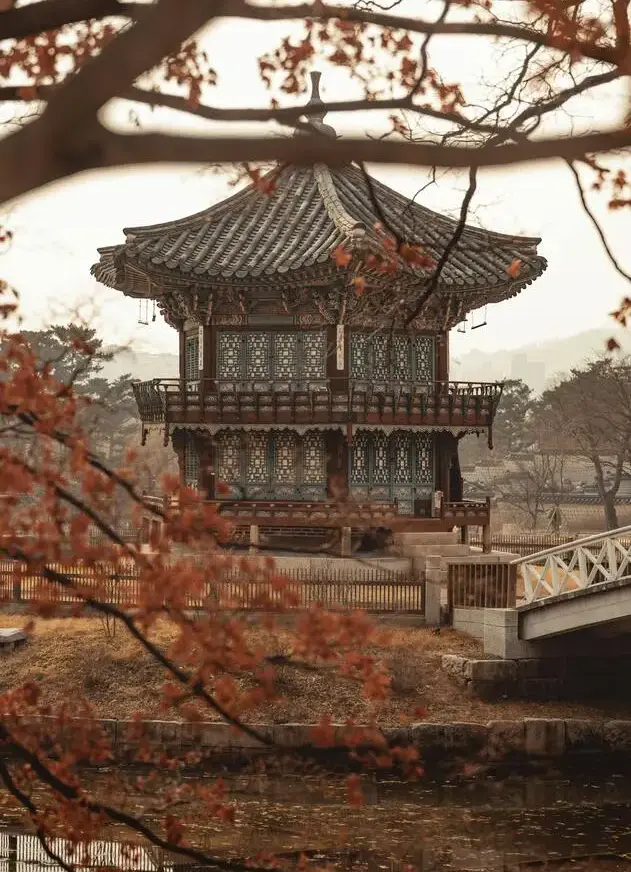
Within the palace grounds, you’ll find key attractions such as Geunjeongjeon Hall (the main throne hall), Gyeonghoeru Pavilion (a beautiful lakeside structure), and Hyangwonjeong Pavilion, a serene spot perfect for photographs.
Visitor Information
1. How to Enter
Main Entrance: Enter through Gwanghwamun Gate. The palace is located near Gyeongbokgung Station (Subway Line 3, Exit 5) or Gwanghwamun Station (Subway Line 5, Exit 2). Guard Ceremony: The royal guard-changing ceremony takes place at Gwanghwamun Gate daily (except Tuesdays) at 10:00 a.m. and 2:00 p.m.
2. Operating Hours
March to October: 9:00 a.m. – 6:00 p.m. November to February: 9:00 a.m. – 5:00 p.m. Closed on Tuesdays
3. Admission Fees
Adults (ages 19-64): 3,000 KRW
Children (ages 7-18): 1,500 KRW
Free entry for children under 6 and seniors over 65. Visitors wearing traditional Korean attire (hanbok) can enter for free.
_
Tips for Visitors
Best Time to Visit
Spring and autumn are the most picturesque seasons to explore the palace due to pleasant weather and beautiful scenery.
Photography
The palace offers plenty of photo opportunities, especially at Gyeonghoeru Pavilion and with views of Bukhansan Mountain in the background.
Guided Tours
English-language guided tours are available at set times throughout the day and provide in-depth insights into the palace's history.
You can see more details and make a reservation on the official guided tour on the below link
_
Whether you’re a history enthusiast or simply looking for a serene escape from the city, Gwanghwamun and Gyeongbokgung Palace are unforgettable destinations that offer a glimpse into Korea’s royal past. Don’t miss the opportunity to experience this blend of culture, history, and stunning architecture!
![[Food in Seoul] Michelin Bib Gourmand Noodle & Dumpling Restaurant "Hwangsaengga Kalguksu" - near GyeongBokGung, ChungWaDae](/api/image-proxy?path=blog_posts%2F1739076367392%2Fimage-0-hwangsaengga_01.webp&token=a19501c2-3780-4594-90a0-9f129654763e)
![[Food in Seoul] Via Toledo Pasta Bar – The Culinary World of Chef Kwon Seong Joon (Napoli Mafia)](/api/image-proxy?path=blog_posts%2F1739008404442%2Fimage-0-via_toledo_01.webp&token=38c0e3d3-e02e-4bcb-b728-8c73df27e9ff)