
How to visit Cheong Wa Dae – Korea’s Former Presidential Residence
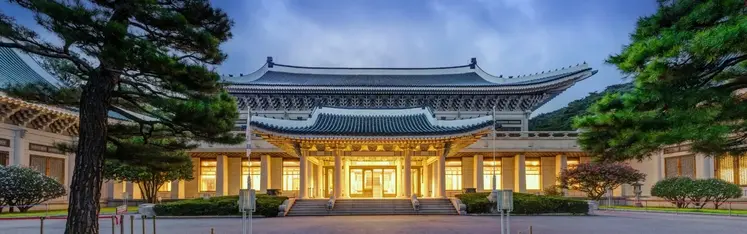
Cheong Wa Dae (Blue House) is one of Korea’s most historically significant landmarks. Once the official residence and office of the South Korean president for over 70 years, it is now open to the public. Nestled at the foot of Bugaksan Mountain near Gyeongbokgung Palace, Cheong Wa Dae combines beautiful traditional architecture with modern political history. The blue-tiled roof, symbolizing peace and stability, has become one of Seoul's iconic symbols.
The site has origins dating back to the Joseon Dynasty, serving as part of the royal garden grounds. After Korea's independence, it became the presidential residence and office. Now, visitors can tour key sites in the complex and learn about the nation’s leadership history. The full guided tour takes approximately one hour.
_
Tour Course
1. Main Gate (정문)
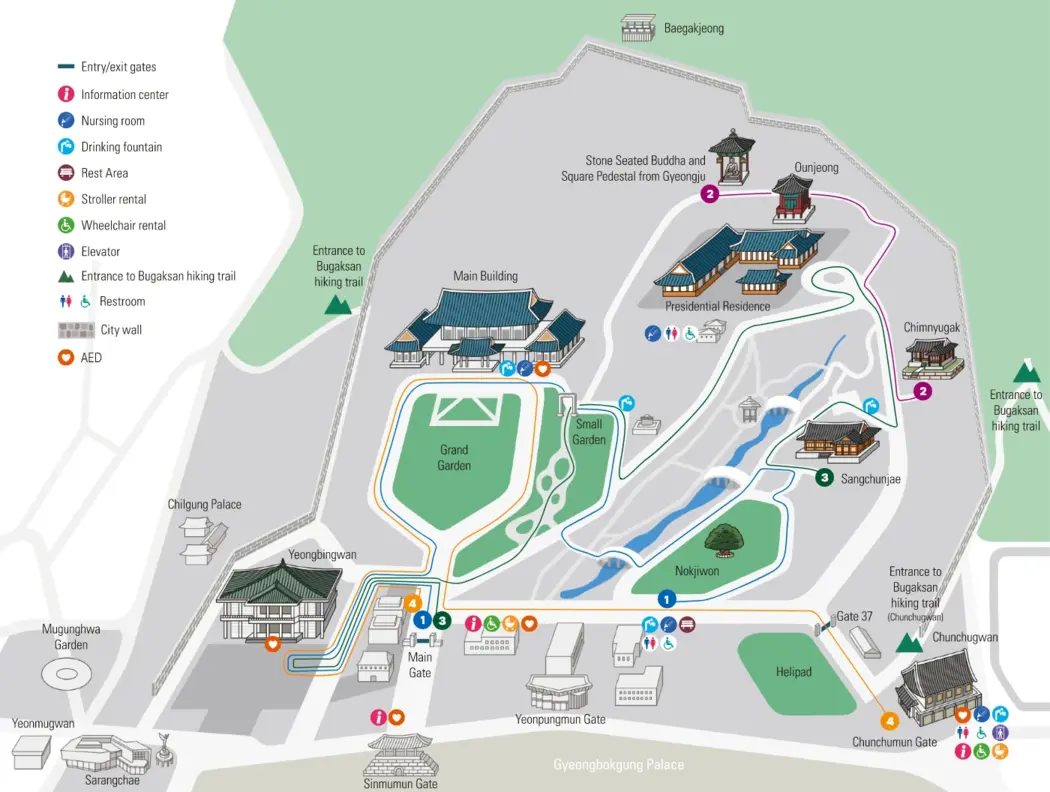
The grand entrance of Cheong Wa Dae offers a majestic first impression with Bugaksan Mountain rising behind it. This gate leads to Seochon Village, a historic neighborhood known for its traditional Korean houses (hanok). Visitors often take photos at this iconic spot. The Chunchumun Gate (춘추문), another entrance on the northern side, connects to Bukchon Hanok Village, offering two scenic options for entering or exiting the site.
2. Yeongbingwan (영빈관) – State Reception Hall
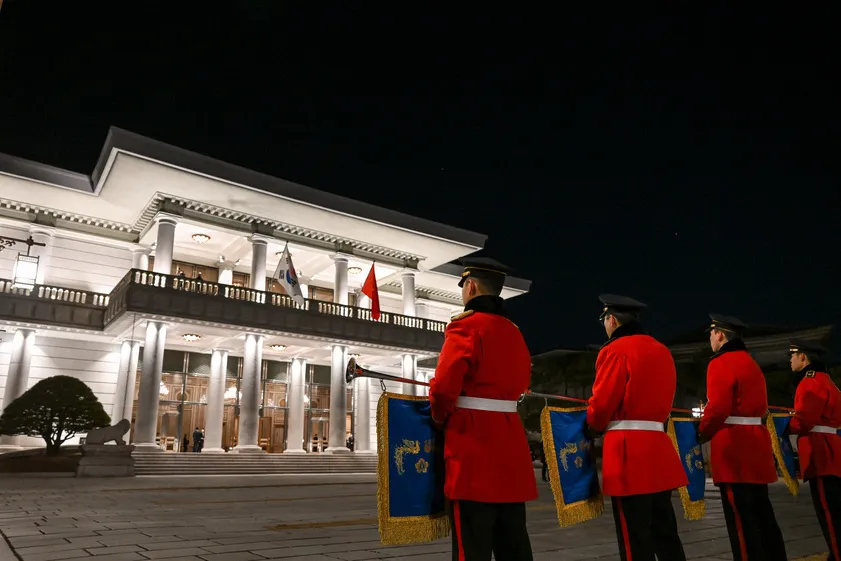
This elegant building was used to host foreign dignitaries and major state events such as diplomatic banquets. The architecture blends traditional Korean elements with modern functionality, and its interior showcases Korea's hospitality and cultural identity.
3. Main Office Building (본관)
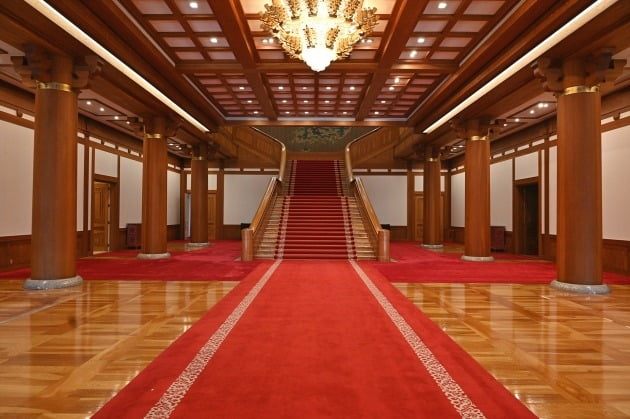
The Main Office Building is the heart of Cheong Wa Dae. This is where the president conducted official duties, including cabinet meetings and diplomatic receptions. The blue-tiled roof, which gave Cheong Wa Dae its name, symbolizes prosperity and authority. Visitors can view key reception rooms and learn about important events in Korea’s political history.
4. Presidential Residence (대통령 관저)
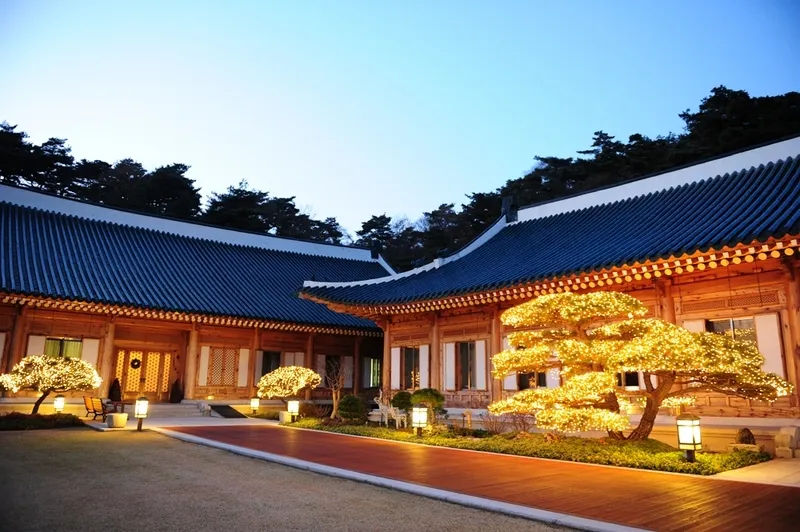
This section was the private living quarters for the president and their family. Designed for comfort and privacy, the residence offers insight into the daily life of Korea's leaders. It features traditional Korean architectural elements, such as open courtyards and wooden interiors, creating a peaceful and reflective atmosphere.
5. Chimnyugak Pavilion (침류각)
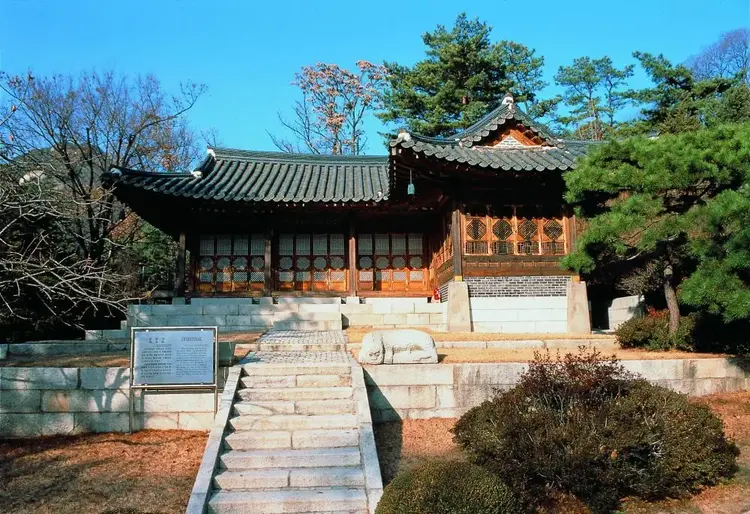
Chimnyugak was used as a recreational pavilion and a venue for informal gatherings. Its name refers to “resting in the flow of water,” and the structure embodies harmony with the surrounding nature. It served as a quiet retreat for reflection and conversation.
6. Sangchunjae (상춘재)
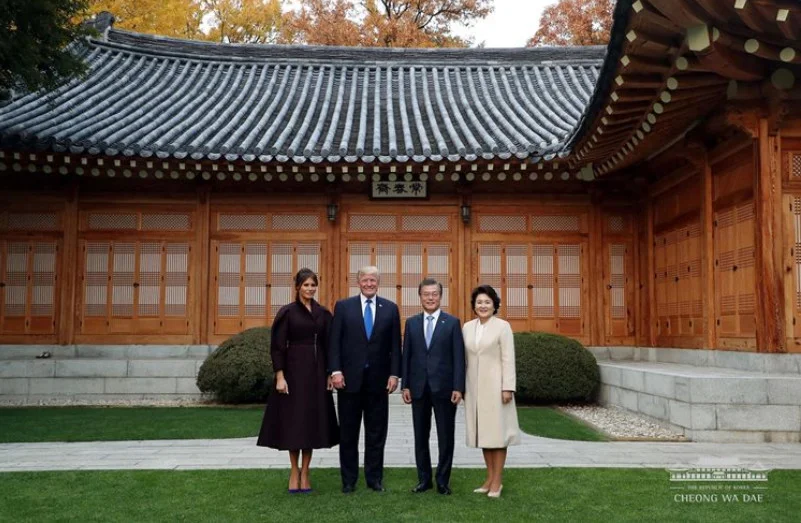
Sangchunjae is an elegant traditional Korean building often used for intimate diplomatic meetings and cultural performances. Its name means “House of Eternal Spring,” reflecting a space where fresh ideas and dialogue could flourish. Built with traditional Korean wood architecture, Sangchunjae exemplifies Korea’s heritage of welcoming hospitality.
7. Nokjiwon Garden (녹지원)
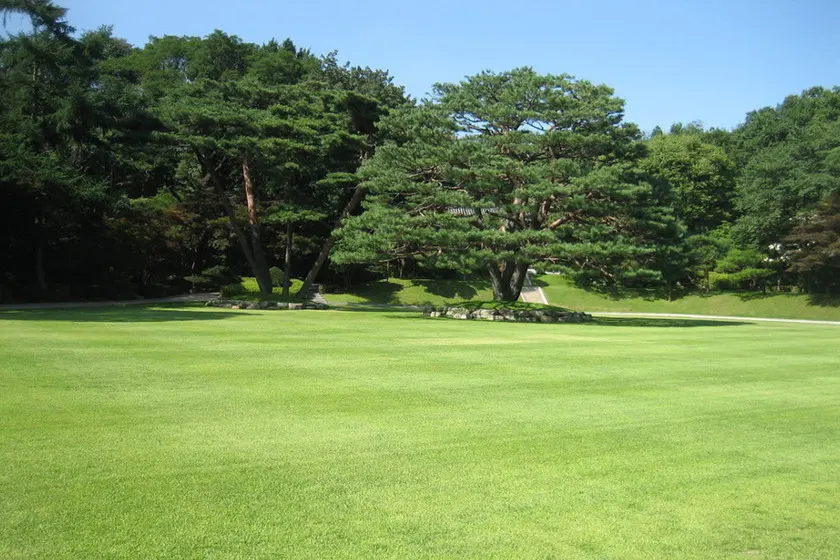
Nokjiwon, meaning "Green Garden," is one of the most scenic areas of Cheong Wa Dae. It served as a peaceful retreat where presidents could walk and relax. The garden features several symbolic trees, including those planted by past presidents and foreign dignitaries. It is especially beautiful during spring and autumn, with vibrant seasonal colors creating a serene atmosphere.
*If you need more information for the tour course, please refer to the official website below
Click Here (Redirected to the official website tour course information)
_
How to Visit Cheong Wa Dae
1. Reservation
Online Booking: Reservations are required and can be made through the official Cheong Wa Dae Foundation website. You can make a reservation for you and your group on your own.
Tour Availability: There is the official guided tour. Tours are held multiple times daily, though slots fill up quickly. Advanced booking is recommended.
Click Here (Redirected to the official website "www.opencheongwadae.kr" reservation page)
2. Entry and Tour Details
Entry Points: Visitors can enter through either the Main Gate (Seochon access) or the Chunchumun Gate (Bukchon access). Both gates serve as entry and exit points.
Tour Duration: Approximately one hour.
Identification: Bring a valid ID (e.g., passport) for security verification upon entry.
3. Admission and Fees
Free Entry: There is no admission fee, but reservations are mandatory.
4. Transportation
Nearest Subway Stations
Gyeongbokgung Station (Line 3, Exit 4) – Approximately a 10-minute walk to the Main Gate.
Anguk Station (Line 3, Exit 1) – A short walk to Chunchumun Gate near Bukchon Hanok Village.
Parking
Limited public parking is available nearby, but public transportation is recommended due to high visitor volume.
_
Tips for Visitors
Best Time to Visit: Spring and autumn offer the most scenic views, especially in Nokjiwon Garden.
Photography: While photos are allowed, certain areas may have restrictions for security reasons.
Guided Tours: English-language tours are available at select times. Check the reservation site for details.
_
Cheong Wa Dae provides a rare opportunity to explore Korea’s rich political history and architectural beauty. Whether you’re a history enthusiast or simply seeking a peaceful experience in the heart of Seoul, this tour offers a unique blend of culture and nature.
![[Food in Seoul] Michelin Bib Gourmand Noodle & Dumpling Restaurant "Hwangsaengga Kalguksu" - near GyeongBokGung, ChungWaDae](/api/image-proxy?path=blog_posts%2F1739076367392%2Fimage-0-hwangsaengga_01.webp&token=a19501c2-3780-4594-90a0-9f129654763e)


![[Food in Seoul] Via Toledo Pasta Bar – The Culinary World of Chef Kwon Seong Joon (Napoli Mafia)](/api/image-proxy?path=blog_posts%2F1739008404442%2Fimage-0-via_toledo_01.webp&token=38c0e3d3-e02e-4bcb-b728-8c73df27e9ff)