
Stroll Through Deoksugung – A Walk Amid Beauty and Tragedy of Last Emperor
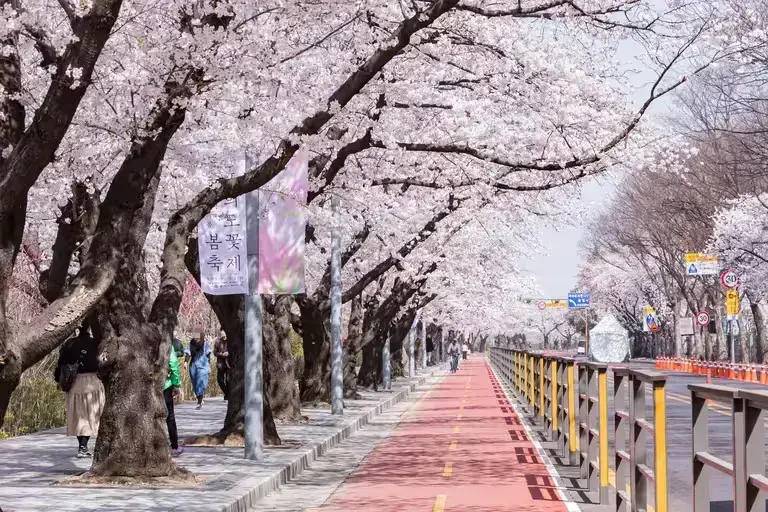
There’s a Korean saying that if you walk along the stone wall road of Deoksugung Palace with your lover, you’ll soon break up. The road is undeniably beautiful, but this somber tale echoes the palace’s bittersweet history — a place of royal grandeur shadowed by loss and sorrow.
Originally not a royal palace, Deoksugung began as the residence of Prince Wolsan before becoming a temporary palace during the Imjin War in 1593. Over time, it transformed into the seat of the Daehan Empire, witnessing Korea’s last attempts to modernize before colonization. It was here that Emperor Gojong faced forced abdication, lived his final years, and mysteriously passed away — sparking the March 1st Independence Movement.
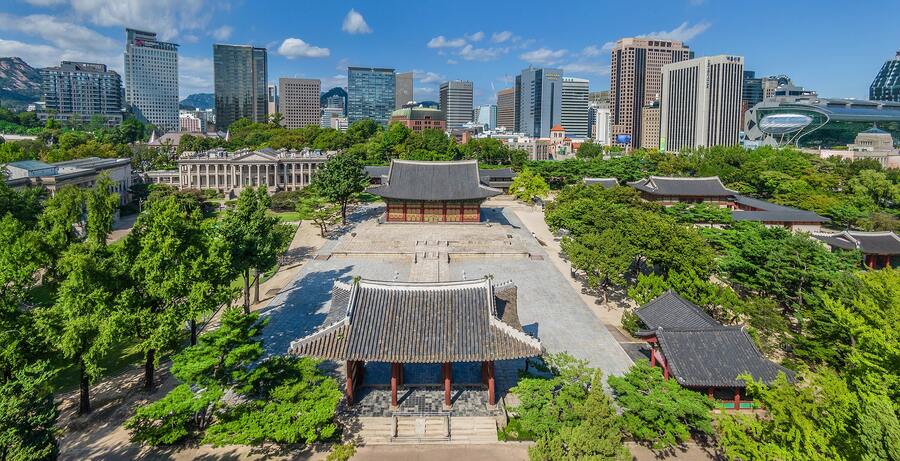
Today, Deoksugung stands as a blend of traditional Korean and Western architecture, a living memory of Korea’s transition from a kingdom to an empire.
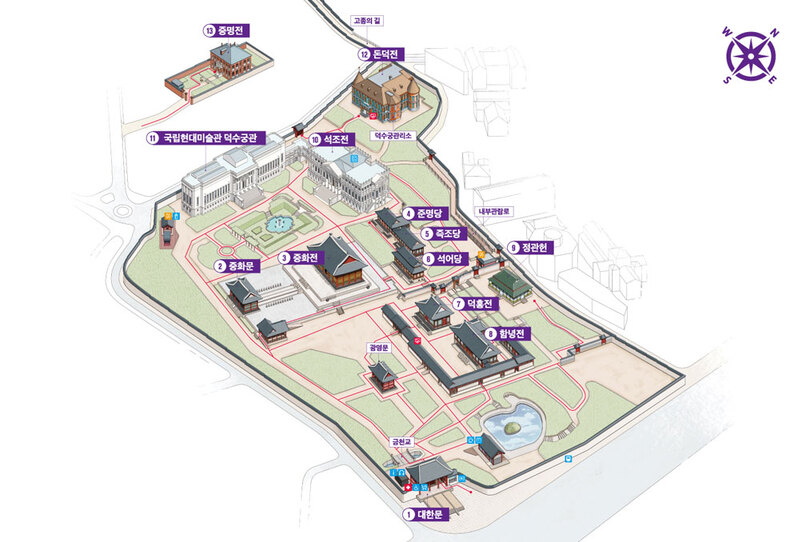
Here’s a walking tour that unveils its brilliant yet tragic past.
※ Seoul City Official Tour Program Reservation Info is at the end of the article.
1. Daehanmun Gate – The Grand Entrance
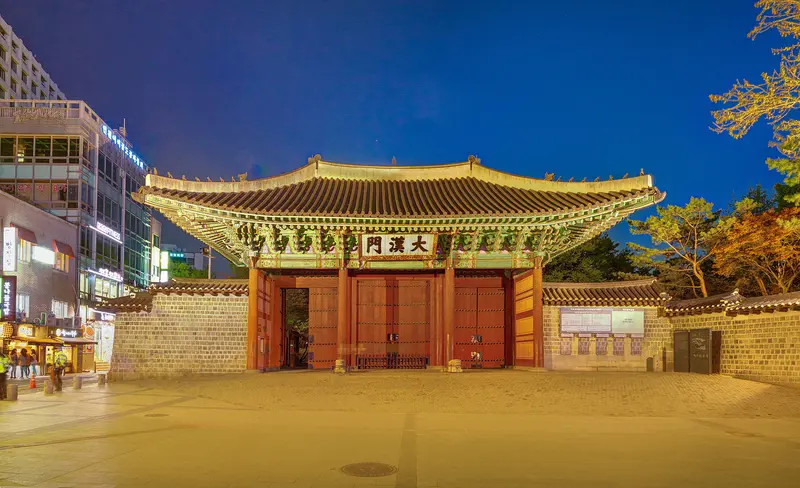
Your journey begins at Daehanmun, the main gate of Deoksugung. Originally named Daeanmun and serving as the palace’s east gate, it became the main entrance in 1906 during renovations and was renamed Daehanmun ("Gate of Great Han") to symbolize the Daehan Empire.
• Historical Note: The gate was relocated about 33 meters back during the 1970s when Taepyeong-ro was expanded.
※ Don’t miss the Royal Guard Changing Ceremony, held daily in front of Daehanmun — a colorful reenactment of the traditional royal guard shifts.
2. Junghwamun Gate – Stepping Into Royal Grounds
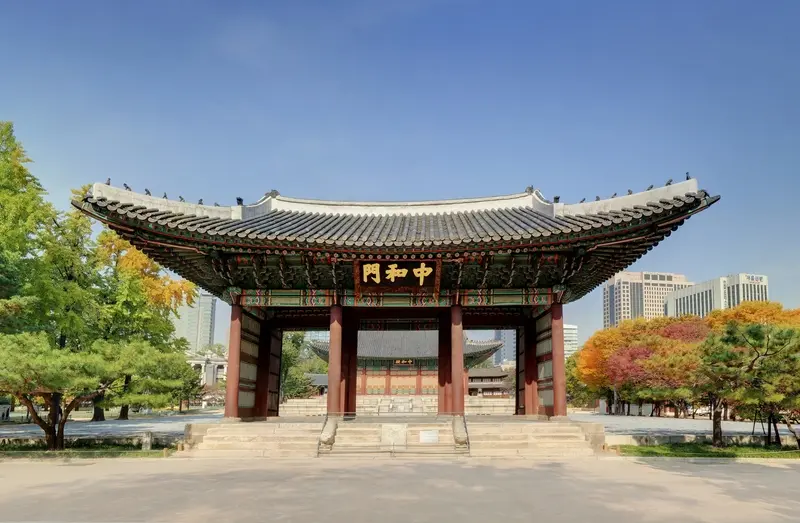
Passing through Daehanmun, you’ll approach Junghwamun, built in 1902. It serves as the main gate leading to Junghwajeon Hall, the palace’s central throne hall. Although the original gate was lost to a devastating fire in 1904, it was quickly rebuilt, and remnants of the original east-side corridors still stand.
3. Junghwajeon Hall – The Heart of Deoksugung
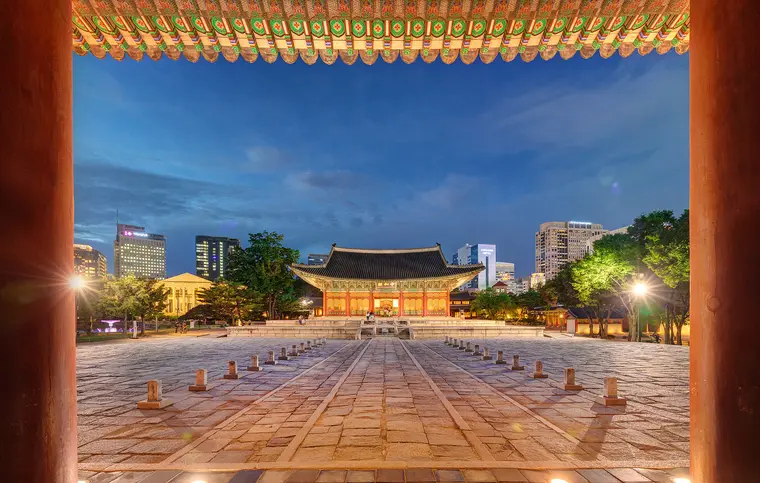
At the center of the palace lies Junghwajeon, the throne hall where significant royal events took place — including royal ceremonies, court gatherings, and meetings with foreign envoys.
• Unique Detail: Unlike other royal throne halls, where phoenixes (symbols of kingship) are commonly engraved, Junghwajeon features twin dragons on its steps — symbols of imperial power, marking Korea’s transition to an empire during the Daehan Empire (1897-1910).
• Architectural Note: The original Junghwajeon was a two-story structure but was destroyed in the 1904 fire. It was rebuilt as a single-story hall in 1906, which stands today.
• Spot This: Pumgyeseok (rank stones) line the courtyard, indicating where officials of various ranks would stand during formal ceremonies.
4. Junmyeongdang – A Space of Learning and Transition
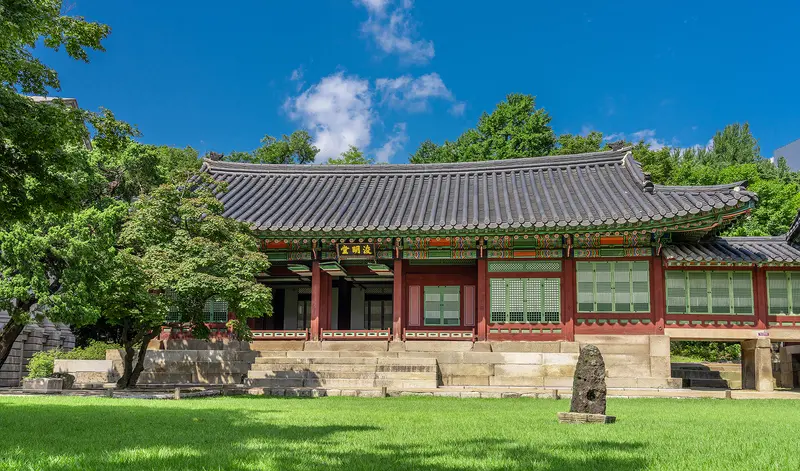
Junmyeongdang is connected to Jeukjodang by a corridor and has witnessed various roles over the centuries. Originally destroyed in the 1904 fire, it was swiftly rebuilt the following year. This hall was used for royal meetings but gained a unique chapter in 1916 when it was transformed into a kindergarten for Princess Deokhye, King Gojong’s daughter. This blend of royal duty and personal moments makes Junmyeongdang a place of both formality and warmth.
5. Jeukjodang – The Hall of Coronations and Power
The name Jeukjodang literally means “Hall of Accession,” and true to its name, it was the site where King Gwanghaegun and King Injo ascended the throne. Originally serving as Deoksugung’s main hall before Junghwajeon was constructed, Jeukjodang played a central role in state affairs. During the Korean Empire period, it was renamed Taegukjeon and briefly served as the main throne hall until Junghwajeon took over that role in 1902.
Jeukjodang’s layered history reflects Deoksugung’s evolving identity — from royal palace to imperial seat.
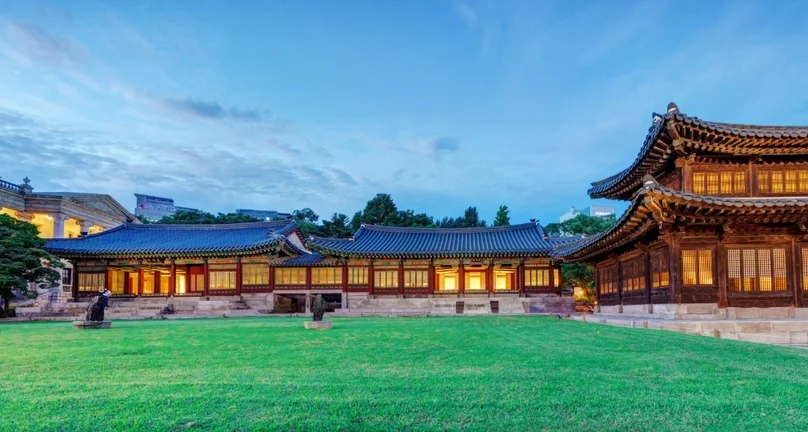
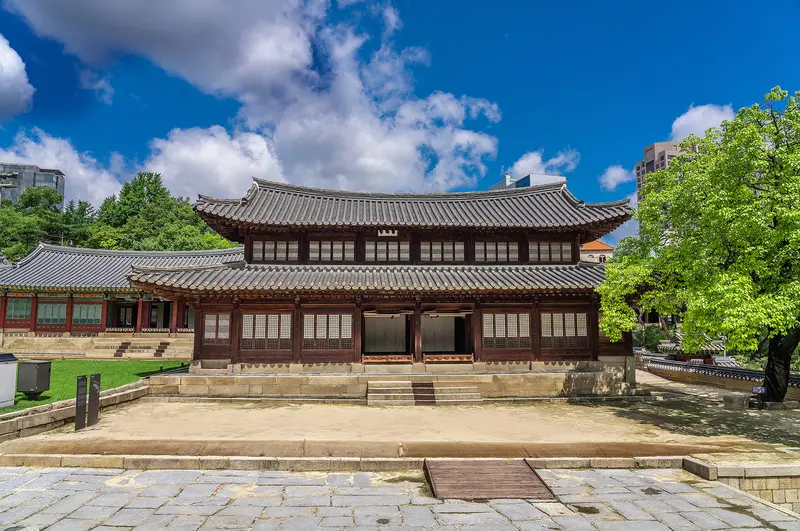
6. Seogeodang – The Unpainted Legacy
Among the colorful, ornately decorated buildings of Deoksugung, Seogeodang stands out for its simplicity. It’s the only surviving two-story wooden building within the palace and is notable for lacking the traditional Korean dancheong (colorful patterns) that adorn most royal architecture.
• Historic Moment: It once served as King Seonjo’s temporary residence during the Imjin War against Japan (1592–1598).
7. Deokhongjeon – The Imperial Reception Hall
Once the location of Gyeonghyojeon, Deokhongjeon was rebuilt as a grand hall for hosting foreign envoys and high-ranking officials. Its interior boasts elaborate chandeliers, royal phoenix motifs, and decorative elements that blend Korean and Western aesthetics.
This hall represents Korea’s attempt to modernize while retaining its royal identity during the late Joseon and early Daehan Empire periods.
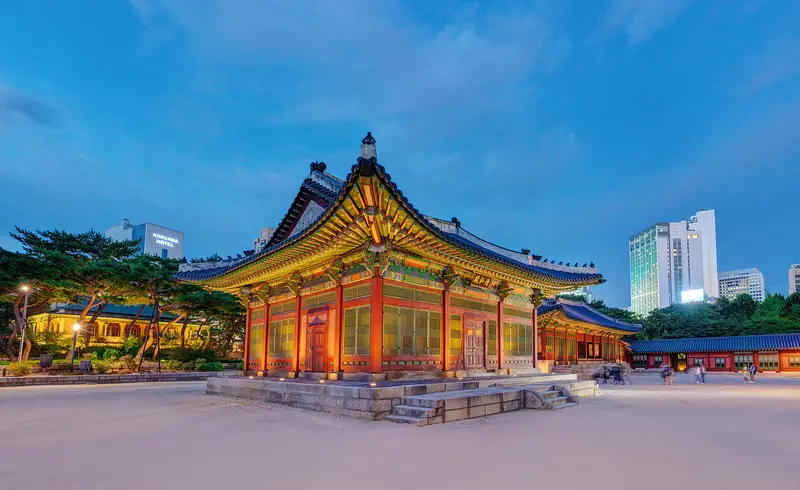
8. Hamnyeongjeon – The Last Emperor’s Residence
Hamnyeongjeon was the sleeping quarters of Emperor Gojong after he declared the Daehan Empire. Sadly, it is also where he spent his final years and eventually passed away in 1919.
• Historical Significance: It is believed that Emperor Gojong was poisoned here under suspicious circumstances, leading to public outrage and sparking the March 1st Independence Movement.
• Fire and Rebirth: The original structure was destroyed by a fire in 1904 but was rebuilt the following year. Behind the hall, beautifully designed chimneys decorate the garden space — a perfect blend of functionality and artistry.
• Present Day: Today, Hamnyeongjeon has been restored to reflect its original interiors, complete with period furniture and artifacts to showcase imperial life in the late Joseon era.
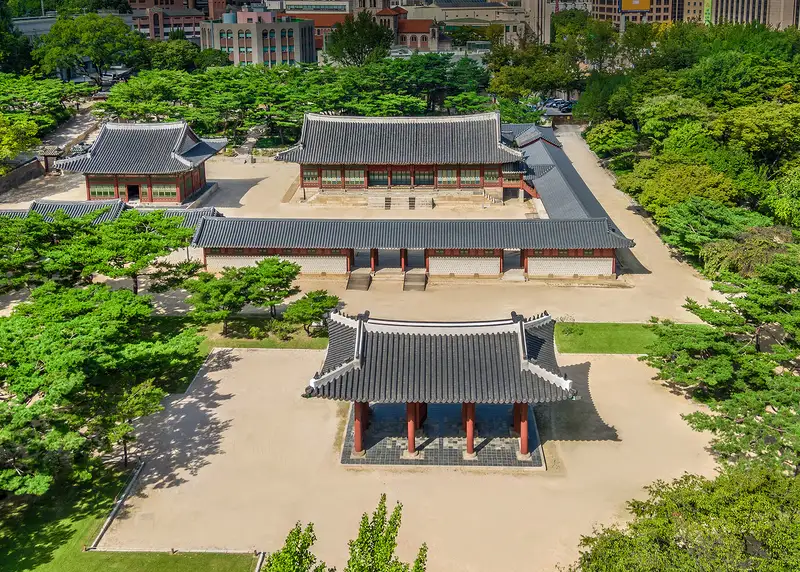
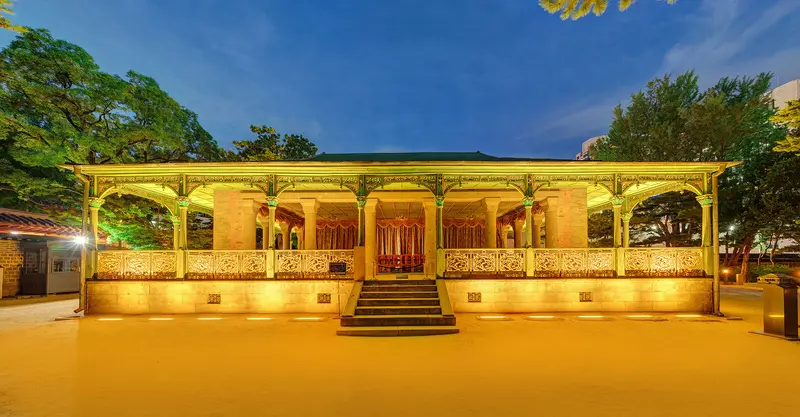
9. Jeonggwanheon – A Blend of East and West
If there’s one spot where you can feel the personal side of Emperor Gojong, it’s here. Built with both Korean and Western architectural influences, Jeonggwanheon was designed as a place for leisure.
• Notable Features
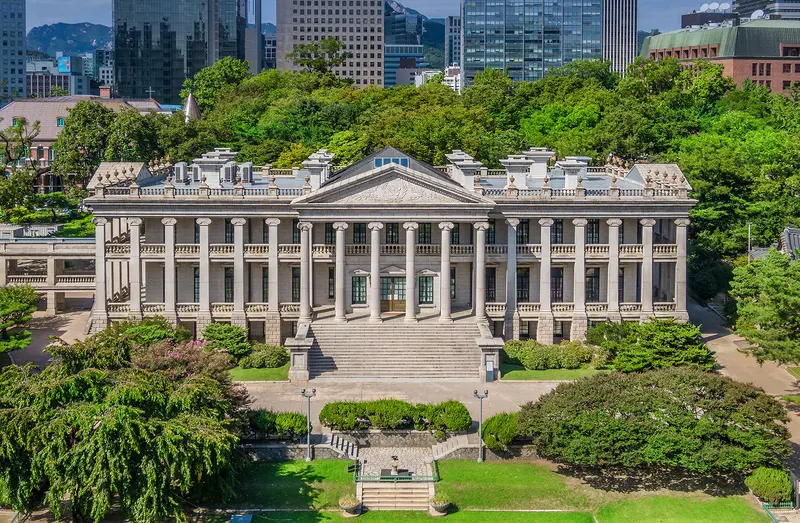
10. Seokjojeon Hall – The Western Touch
One of Deoksugung’s most iconic buildings, Seokjojeon stands as a stark contrast to the palace's traditional Korean structures. This neoclassical Western-style stone building was completed in 1909 and was intended as a royal residence and office for Emperor Gojong.
• Architectural Highlights
• Functionality
• Historical Role: After Korea’s liberation, Seokjojeon served various functions, including hosting the U.S.-Soviet Joint Commission and later as the National Museum of Korea. It now houses the Korean Empire History Museum.
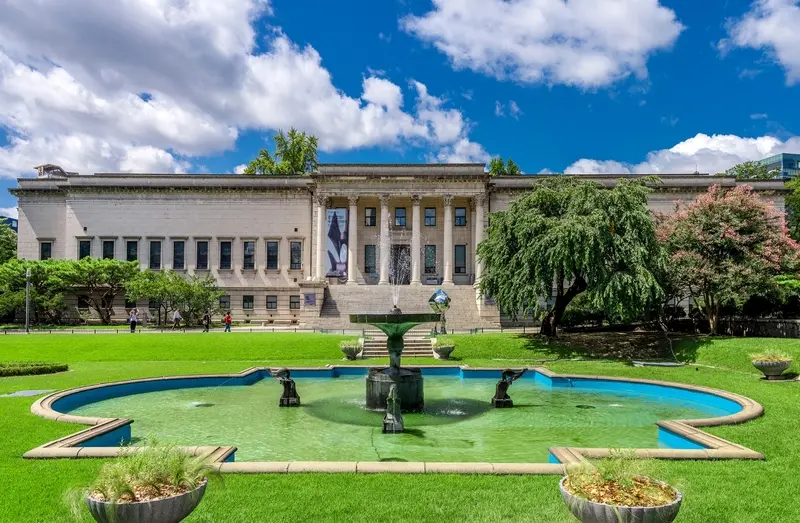
11. Seokjojeon West Wing – Art Meets History
Originally used as the Yi Royal Family Art Museum, this annex now houses the National Museum of Modern and Contemporary Art (Deoksugung branch). It blends the grandeur of royal architecture with rotating exhibits of Korean and international art.
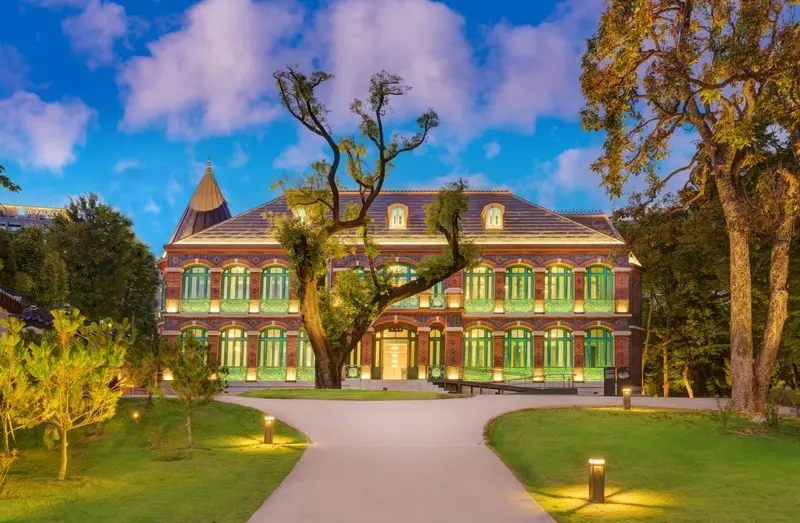
12. Dondeokjeon – A Royal Celebration Hall Reborn
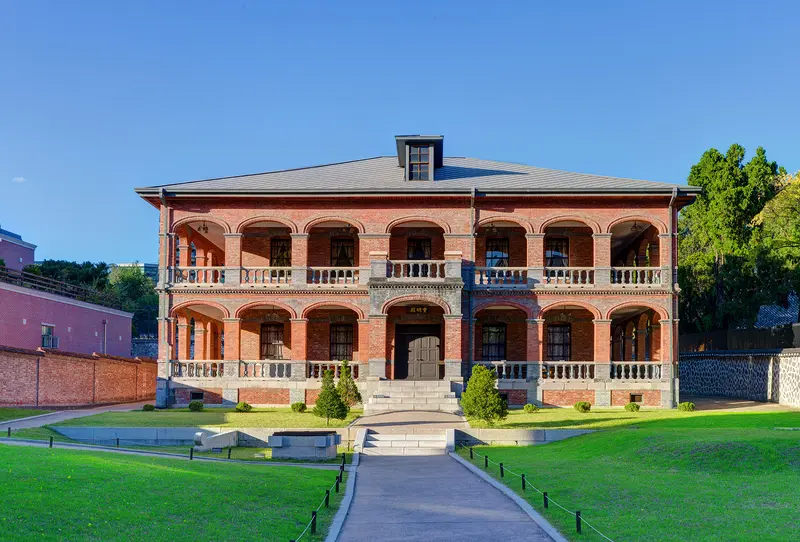
Dondeokjeon was built in 1902 to commemorate Emperor Gojong’s 40th anniversary on the throne. With its striking European-style brick facade, it became a venue for royal events, diplomatic meetings, and even housed foreign dignitaries.
• Historical Moment: It was where Emperor Sunjong (Gojong’s son) held his coronation in 1907.
• Rebirth: Although the original building was lost, it was faithfully reconstructed in 2023 and now serves as a reminder of Korea’s royal past.
13. Jungmyeongjeon – Witness to History
Jungmyeongjeon holds a particularly somber place in Korean history. Originally built as the royal library in 1897 and known as Suokheon, it later became Jungmyeongjeon ("Brightening Hall").
• Historic Tragedy: It was here that the Eulsa Treaty was signed in 1905, leading to Korea’s forced annexation by Japan. The event marked a dark chapter in Korean history.
• Architectural Note: Designed by Russian architect Seredin Sabatin, the two-story Western-style building now serves as a museum highlighting this critical period in Korean history.
A Palace of Beauty and Sorrow
Deoksugung isn’t just a collection of beautiful palaces and gardens. It’s a place where Korea’s turbulent history — from the fall of the Joseon Dynasty to the tragic end of the Daehan Empire — comes to life. The palace holds stories of glory, heartbreak, and resilience.
Official Tour Reservation
Seoul Tourism Organization runs official guided walking tours. Please check its availability on the official reservation website here!
!URL[https://dobo.visitseoul.net/reserve/step1/list?lang=en&cos_cd=1&type=1]

![[Food in Seoul] Via Toledo Pasta Bar – The Culinary World of Chef Kwon Seong Joon (Napoli Mafia)](/api/image-proxy?path=blog_posts%2F1739008404442%2Fimage-0-via_toledo_01.webp&token=38c0e3d3-e02e-4bcb-b728-8c73df27e9ff)