
Gyeongdong Market – Where Seoul’s Past Meets Its Present
Welcome to Gyeongdong Market — a rare and fascinating blend of Korea’s living traditions, culinary culture, and the pulse of everyday Seoul. While many markets in the city boast history or food, few offer such a deep-rooted legacy and dynamic evolution as this one.
Marketplace Born from Movement and Medicine
Established in 1960 as a public market, Gyeongdong Market quickly became the beating heart of eastern Seoul’s trade and commerce. Once a quiet field on the city’s fringe, the area grew rapidly due to railway development, which funneled in goods like grains, timber, and produce from across Korea via the Jungang Line.
Unlike neighboring markets that carry the “Cheongnyangni” name, Gyeongdong carved out its own distinct identity.
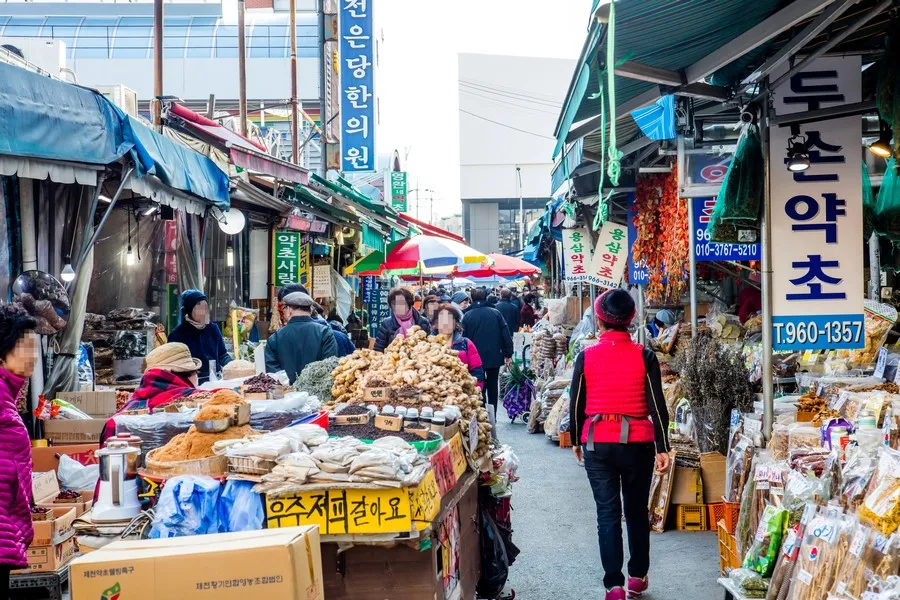
Over time, it evolved into a multi-layered marketplace known for its dual specializations:
• A major herbal medicine hub, serving both consumers and practitioners. At one point, the area had the highest number of Oriental medicine clinics in Seoul.
• A vibrant health food and fresh ingredient market, famed for hard-to-find mushrooms (like songi, neungi, and reishi), ginseng, honey, dried herbs, and wild greens.
Even today, Gyeongdong remains the largest herbal medicine market in the country, drawing buyers from all over Korea.
Place of Everyday Life and Extraordinary Food
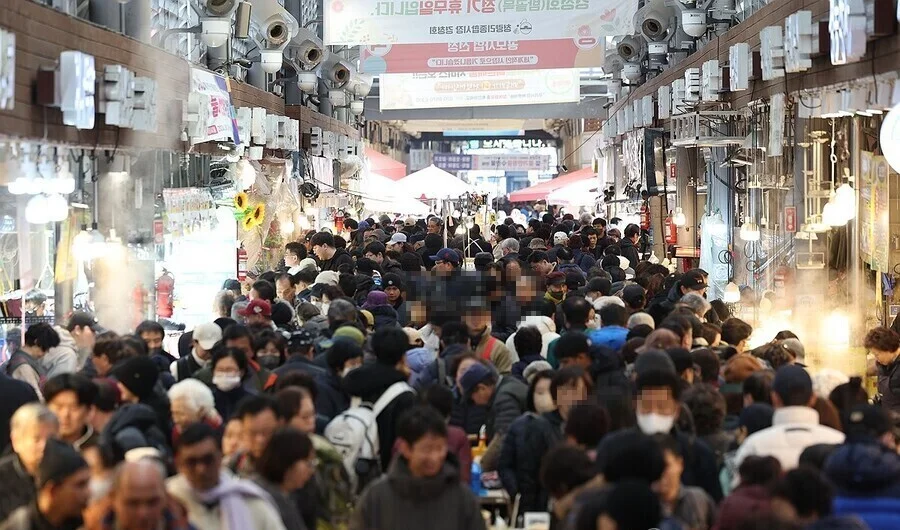
Beyond herbs and produce, the market thrives as a full-spectrum traditional bazaar. A walk through the market reveals:
• Bustling alleys filled with chatter and scent, offering everything from seaweed to fresh tofu
• A tight-knit vendor community preserving old customs while embracing new trends
• An increasing presence of younger generations, drawn by both nostalgia and novelty
In recent years, Gyeongdong has also become a food lover’s playground. From old-school stalls to youth-oriented eateries in the Youth Mall, it’s a place where you can taste the past and future in a single bite.
Retro Revival: Market as Cultural Landmark
One of Gyeongdong’s most symbolic transformations is the Starbucks Gyeongdong1960, housed in a former movie theater. Once known as Gyeongdong Theater, the building has been reimagined as a stylish, retro-themed cultural space:
• Preserved cinema interiors offer nostalgia for older visitors and Instagrammable charm for younger ones
• The connected Goldstar Reset Center (금성전파사 새로고침센터) features vintage installations and creative experiences
Gyeongdong Market is no longer just a place to buy goods — it’s a neighborhood landmark, balancing commerce, cuisine, and culture.
Where to Eat in and Around Gyeongdong Market
1. Hyesung Kalguksu (혜성칼국수) – Local-Favorite Chicken Noodle Soup
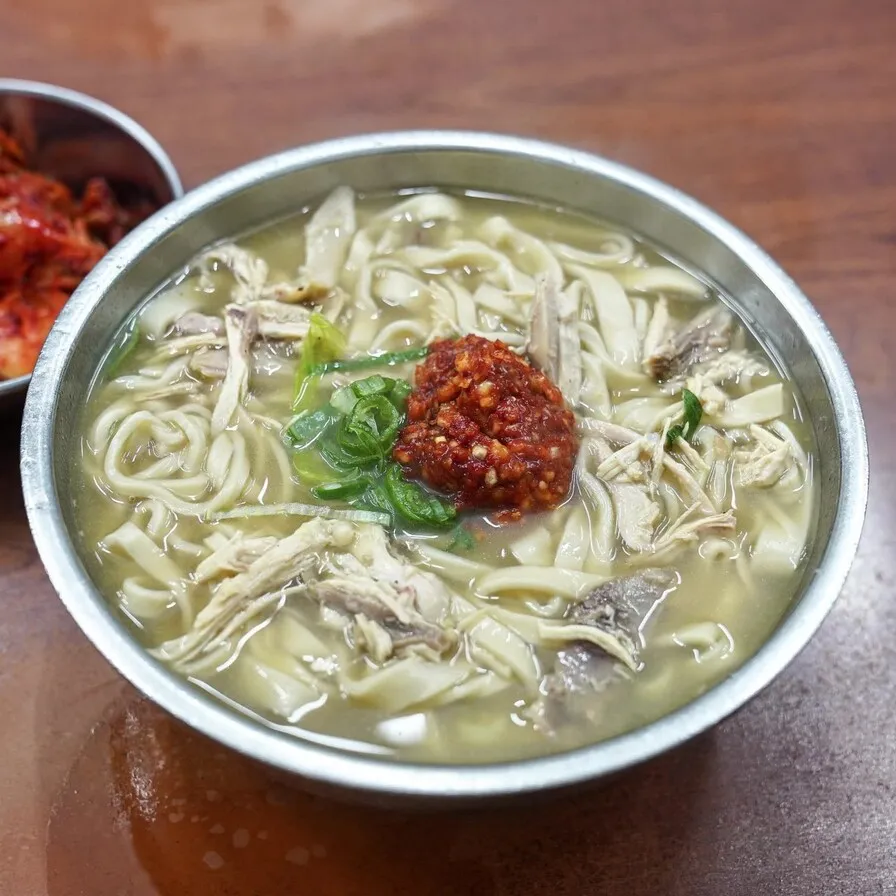
This humble spot is a true neighborhood legend, beloved for its rich, comforting broth and generous portions. The menu is minimal: chicken or anchovy kalguksu — both ₩10,000 — but locals swear by the chicken.
• Handmade noodles, hearty serving size
• No rice served — bring your own if you want it
• Their fermented kimchi is outstanding, and a garlic-chili dipping sauce adds a kick
• Expect a wait, but turnover is fast
Best for: Winter comfort food seekers
📍 247-1 Wangsan-ro, Dongdaemun-gu
🕓 Mon–Sat, 10:30–20:00 (Closed Sundays)
2. Chamjoeun Kong (참조은콩) – Affordable Grilled Duck with Street Vibes
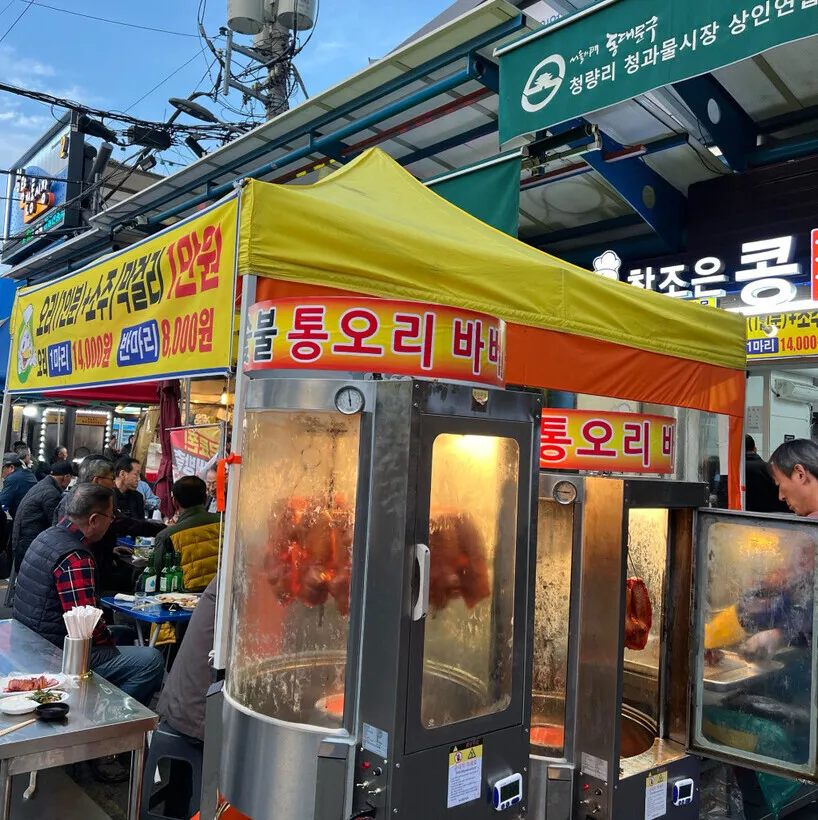
Originally a tofu place, this spot gained fame after being featured on YouTube and variety shows. For just ₩10,000, you get a plate of grilled duck and a drink (yes, a drink included).
• Outdoor seating adds charm
• Pair the duck with house-made scallion kimchi and a bottle of makgeolli
• Half-portions are available so you can try more market eats
Best for: Affordable indulgence and casual drinks
📍 Near Exit 1, Cheongnyangni Station
🕓 Daily, 12:00–21:00
3. Andongjip Sonkalguksu (안동집 손칼국시) – Soulful Noodles by a Netflix Chef
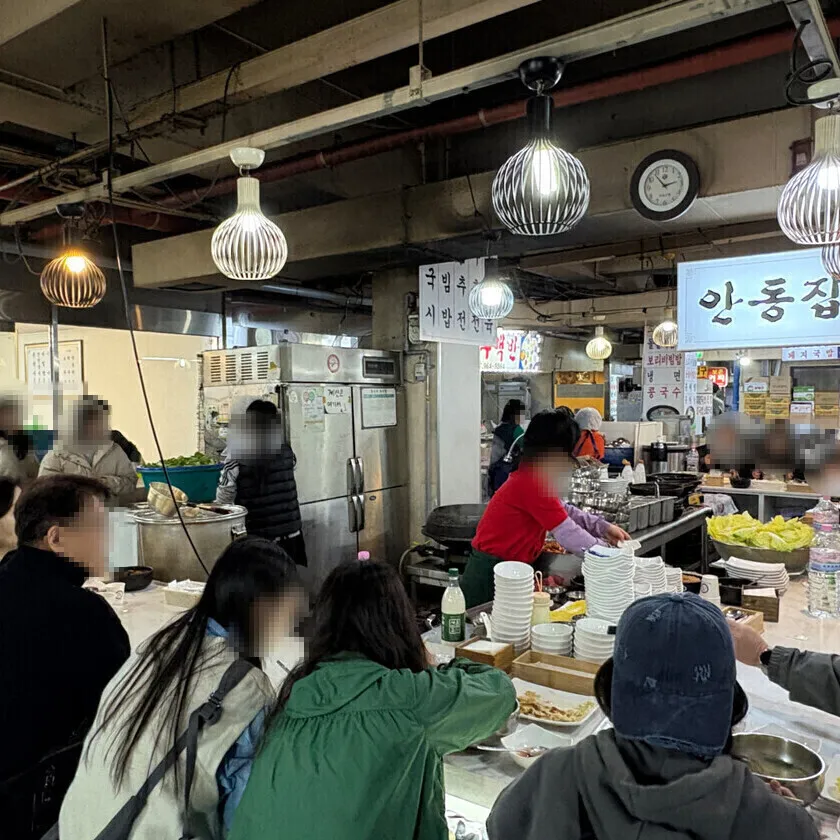
Created by the chef featured on Netflix’s "Culinary Class Wars", this eatery brings craft and comfort together. Expect milky, deep-flavored broths, house-made noodles, and seasonal Korean side dishes.
Menu Highlights:
• Sonkalguksu (₩8,000)
• Bibimbap with foraged greens (₩8,000)
• Su-yuk pork slices (₩12,000)
• Thick, crispy buchujeon (chive pancakes)
Best for: Elevated traditional dining with a chef’s touch
📍 Gyeongdong Market Youth Mall, B1
🕓 Tue–Fri 10:00–20:00, Sat–Sun 10:00–18:00
4. Halmeoni Naengmyeon (할머니냉면) – Spicy Cold Noodles Since 1980s
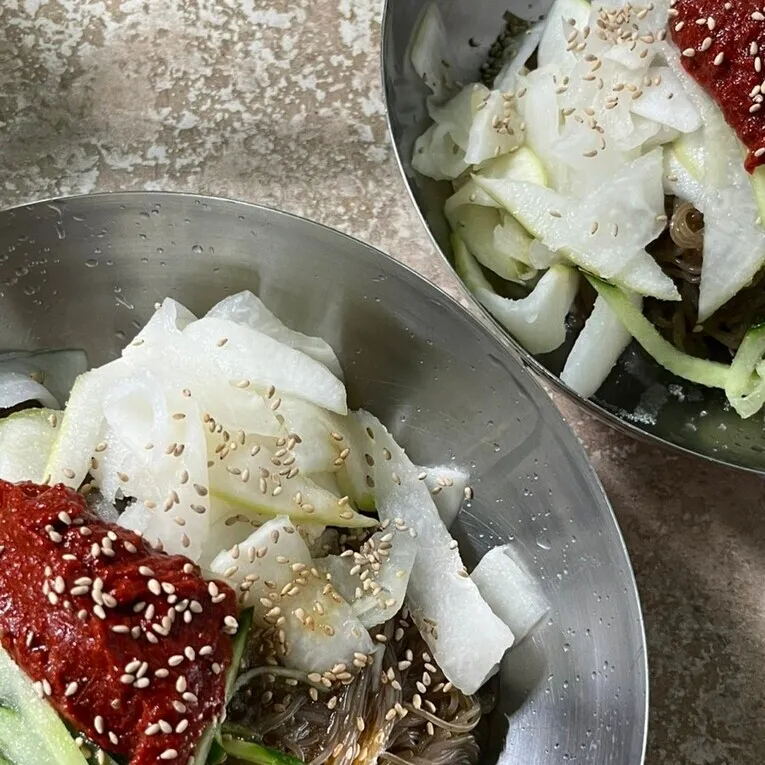
If you’re into bold, spicy flavors, don’t miss this classic spot. The bibim-naengmyeon (cold spicy noodles) come with chilled broth on the side, letting you adjust your own spice-to-soup ratio.
• Add broth gradually for extra chewiness and balance
• Go early — they run out often!
Best for: Lovers of spicy, refreshing dishes
📍 Near Exit 2, Cheongnyangni Station
🕓 Daily, 10:00–21:00
5. Yeonseo’s Tteokgalbi Burger (연서네떡갈비) – A Hidden Market Burger
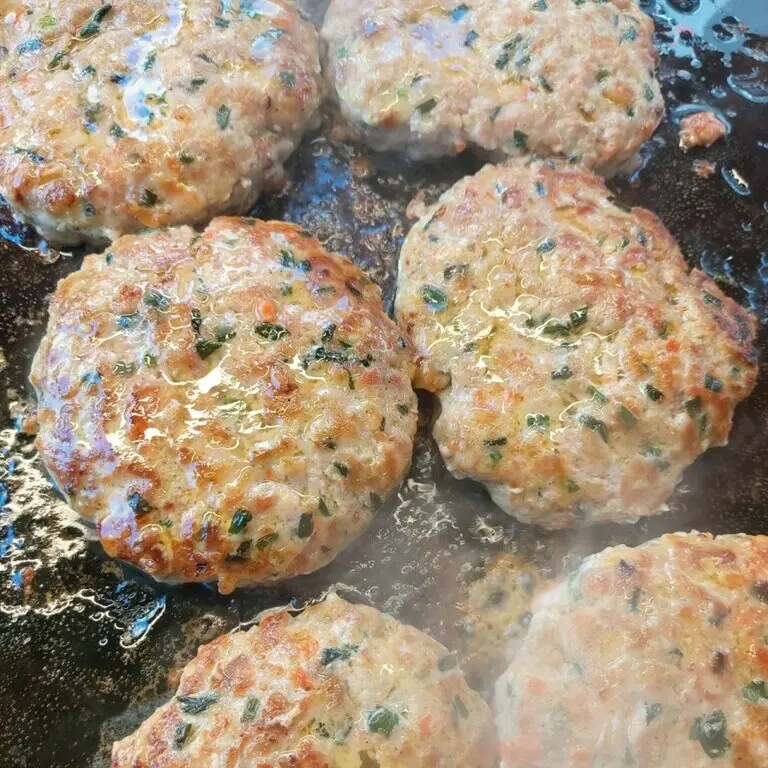
This stall reimagines traditional tteokgalbi (grilled short rib patties) into juicy market-style hamburgers for just ₩3,500. Handmade, packed with flavor, and portable.
Best for: Quick bite on the go
📍 Near Exit 2, Cheongnyangni Station
🕓 09:00–18:00, Closed Mondays
6. Odong Tongdak (오동통닭) – Market-Style Fried Chicken
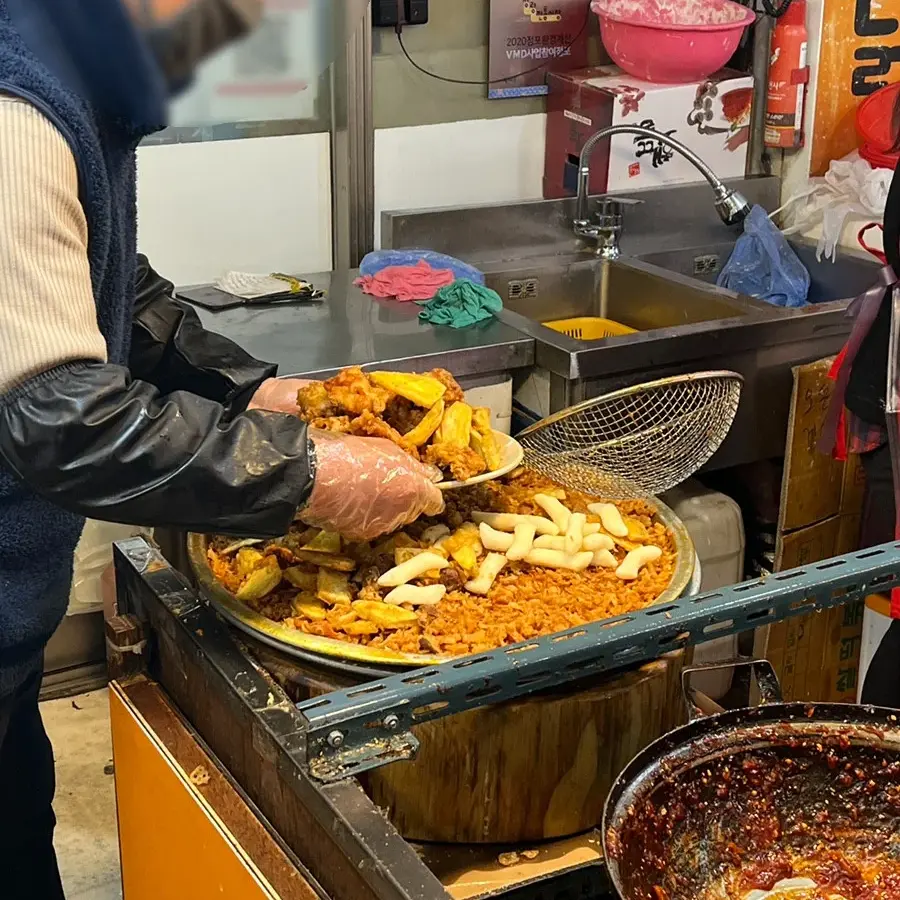
One of many old-school fried chicken shops in the famous tongdak golmok, this place is known for crispy, lightly battered chicken with a side of nostalgia.
• Fried whole or half chickens (₩16,000–20,000)
• Order the banban (half regular, half spicy)
• Great for groups
Best for: A casual market dinner or takeaway
📍 In Cheongnyangni Chicken Alley
🕓 11:00–22:00, Closed Mondays
7. Geusijeol Geumat (그시절그맛) – Retro-Style Sweet Treats
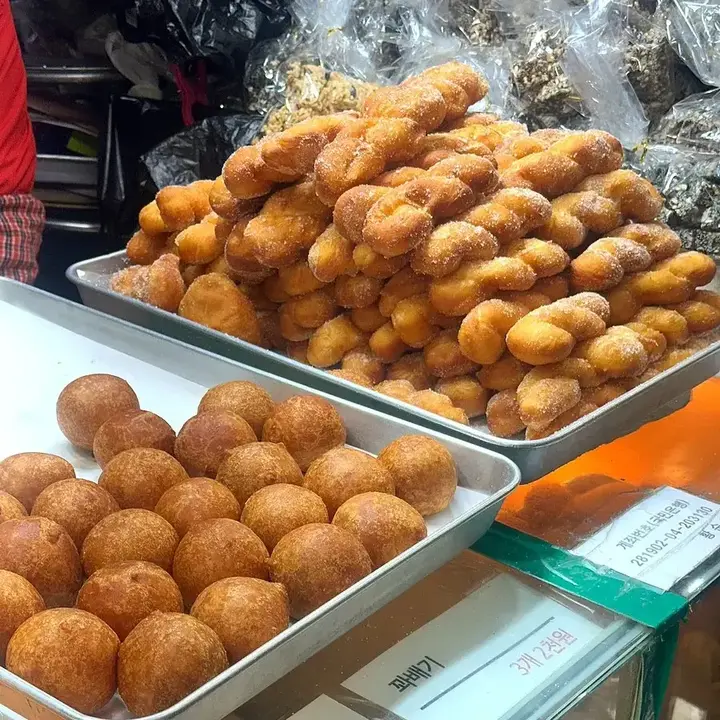
• 3 for ₩2,000: classic Korean twisted doughnuts and glutinous rice balls
• Often a queue — everything is fried fresh and piping hot
• Also sells assorted traditional gangjeong snacks, perfect for souvenirs
Best for: Sweet ending to a savory stroll
📍 Near Exit 2, Cheongnyangni Station
🕓 11:00–22:00, Closed Mondays
Hidden Gems and Cultural Stops
Starbucks Gyeongdong1960
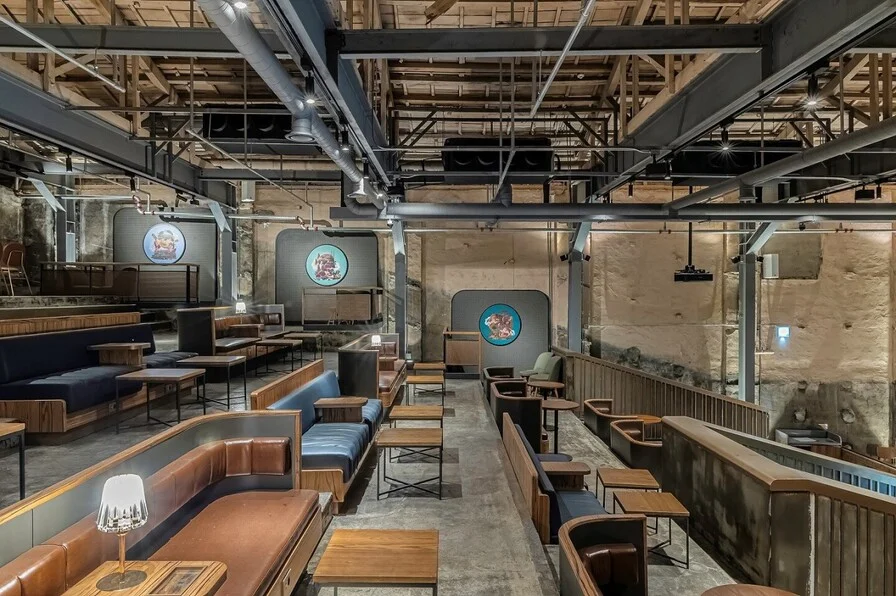
Once a 1960s theater, now a flagship Starbucks and cultural space. This unique location has preserved the old cinema architecture and now serves as a relaxing rest stop mid-market tour.
• Part of Korea’s “Top 10 Landmark Starbucks”
• Often packed on weekends — come early
📍 36-gil, Gosanja-ro, Dongdaemun-gu
Goldstar Reset Center (금성전파사 새로고침센터)
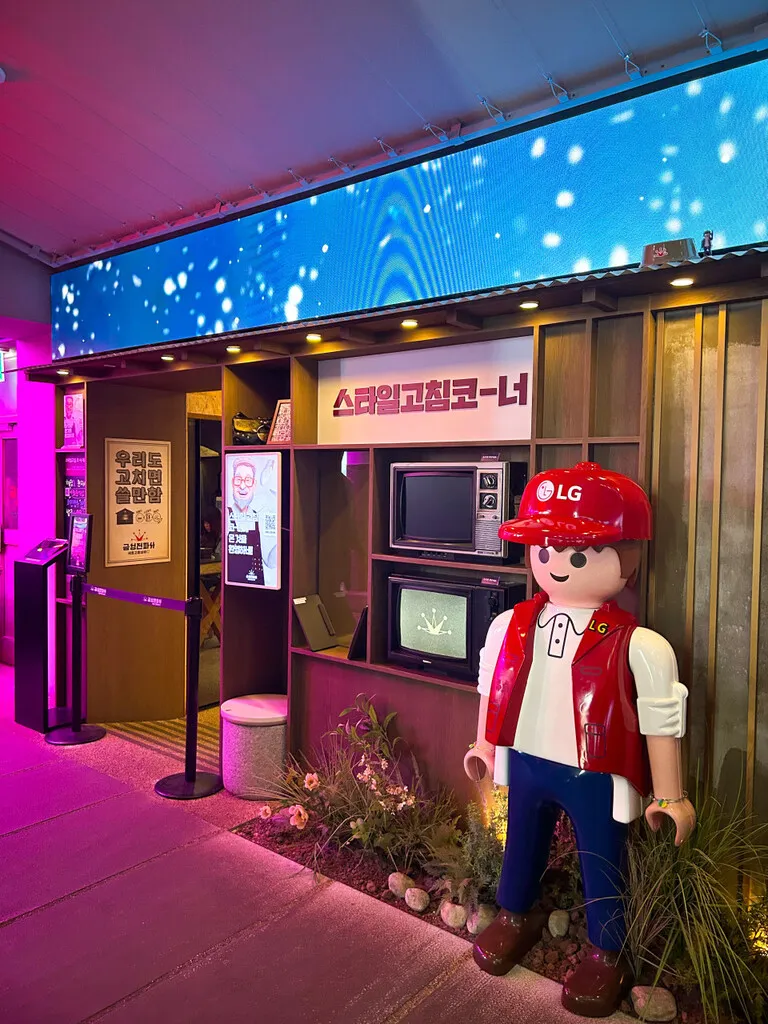
• Located inside the old cinema
• Rotating exhibitions and retro electronics make it a visual playground
How to Get to the Gyeongdong Market
• Subway: Line 1 (Cheongnyangni) or Line 1/2 (Jegi-dong) - both within walking distance
• Hours: Most stores open from 8:30 AM to 6 PM (closed some Sundays)
Tips for Visiting
• Bring cash: Many vendors are cash-preferred
• Come early for fresh produce and less crowd
• Go light on breakfast — you’ll want room to eat your way through
• Weekends are busiest, but most energetic
A True Local Vibe
Gyeongdong Market is more than just a traditional market - it's a living museum of flavors, stories, and people. You’ll leave with a full stomach, bags of local finds, and memories that linger long after the taste fades.
From hearty chicken noodles to retro doughnuts and a cup of coffee in a remodeled cinema, this is where Seoul’s past and present blend beautifully.

![[Food in Seoul] Via Toledo Pasta Bar – The Culinary World of Chef Kwon Seong Joon (Napoli Mafia)](/api/image-proxy?path=blog_posts%2F1739008404442%2Fimage-0-via_toledo_01.webp&token=38c0e3d3-e02e-4bcb-b728-8c73df27e9ff)