
A Conversation with Nampo-dong: Four Stories from Busan’s Old Heart
Nampo-dong, the original downtown area of Busan, is a place where the past and present breathe together. Walking its streets, the city's long-held memories naturally blend with contemporary scenes. This journey explores four special landmarks in Nampo-dong, uncovering the unique stories held within each.
1. The City's Center: Busan Tower
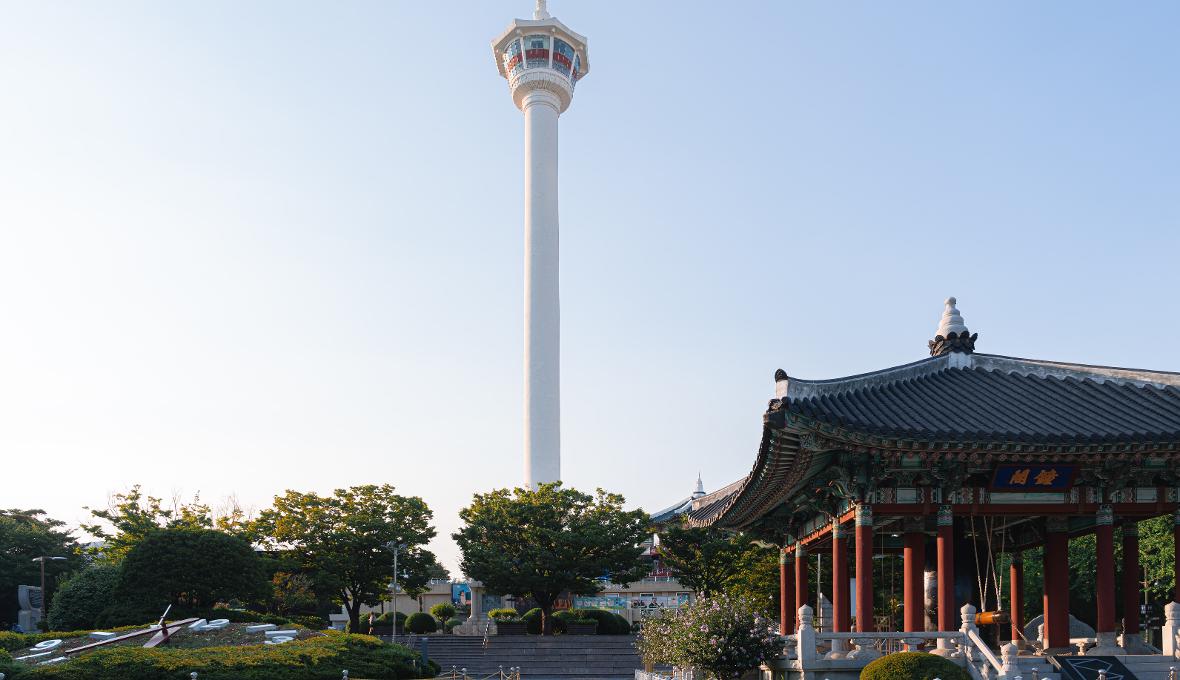
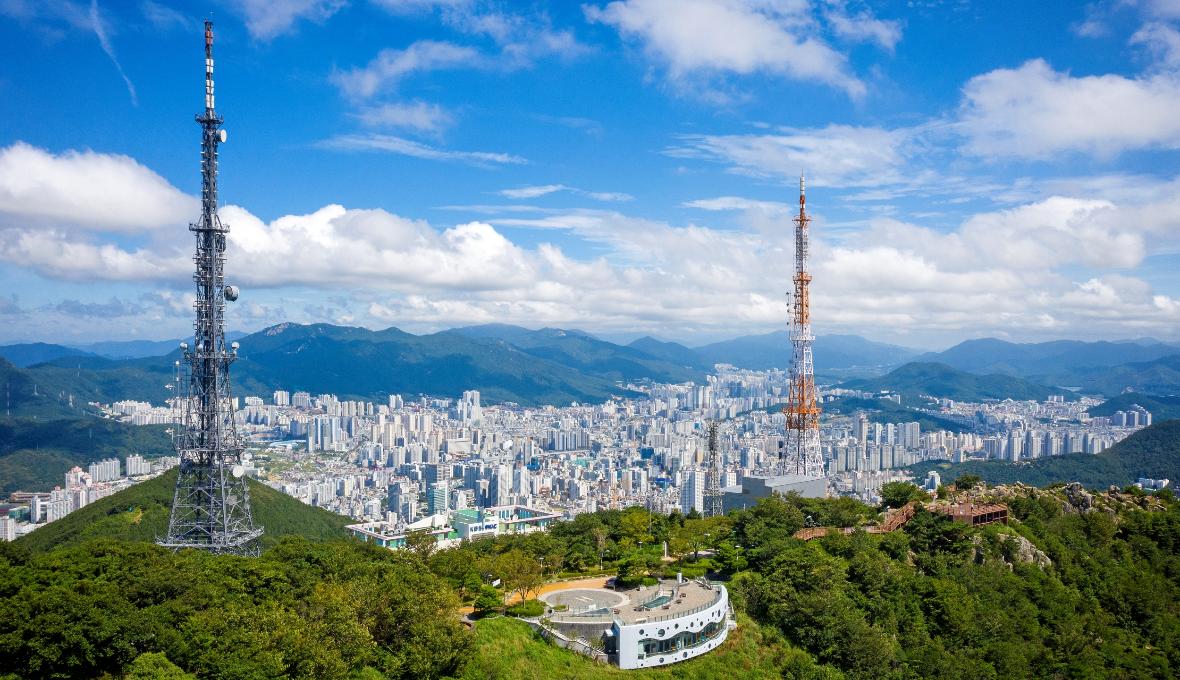
The Busan Tower, a landmark observation deck, immediately grabs attention. Its design, modeled after the bogae (main cover) of the Dabotap Pagoda at Bulguksa Temple in Gyeongju, incorporates distinct Korean aesthetics. Located at the heart of Busan's original city center, it offers a panoramic view of the old town, and at night, a dazzling media mapping show lights up the cityscape.
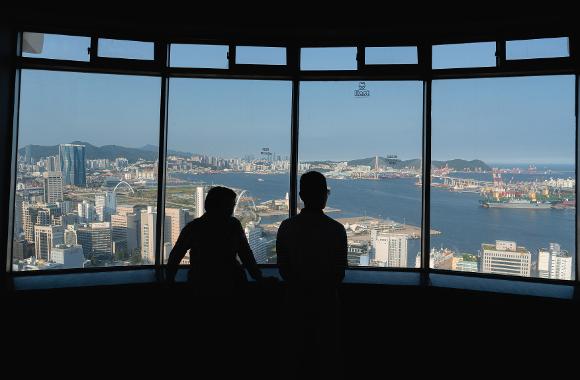
The park where the tower stands, Yongdusan Park, also holds layers of history. It was once the site of a Japanese settlement during the Joseon dynasty, later housed a Japanese Shinto shrine during the colonial period, and served as a shantytown for refugees during the Korean War. Today, it stands as a place of rest for both citizens and travelers. The name "Yongdusan" (Dragon Head Mountain) symbolizes the guardian spirit watching over Busan.
• Location: 37-30 Yongdusan-gil, Jung-gu, Busan.
• Transportation: Subway Line 1, Jungang Station (10-minute walk).
• Operating Hours: Daily 10:00–22:00 (Last ticket sales 21:30). Open year-round.
2. Holding the Times: Busan Museum of Modern and Contemporary History
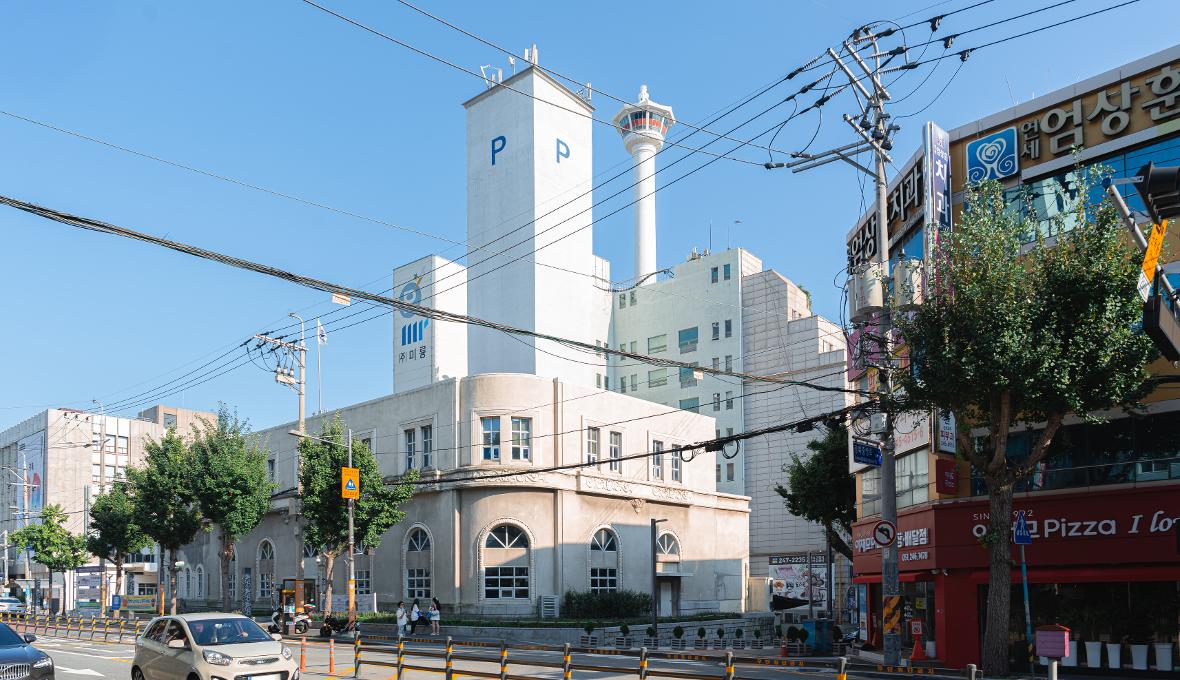
The building housing the Busan Museum of Modern and Contemporary History is itself a historical artifact. Built in 1929 during the Japanese colonial era as the Busan Branch of the Oriental Development Company, it later served as the American Cultural Center after liberation. It has since been remodeled to showcase the city’s recent history.
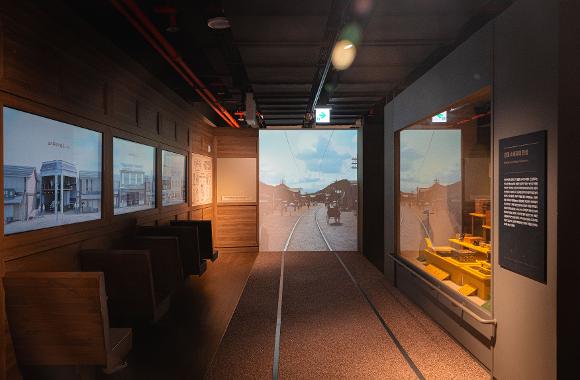
The exhibition chronicles Busan's transformation from the opening of its port through the Korean War, industrialization, and democratization. The section focusing on "Busan, the Provisional Capital" vividly recreates the lives of war refugees, complete with period items and media archives. This is a place where you can learn not just through relics, but through the voices of the Busan citizens who lived through those times. Visiting here provides a deeper understanding of the path Busan has taken.
• Location: Main Building, 112 Daecheong-ro, Jung-gu, Busan.
• Transportation: Subway Line 1, Jungang Station (5-minute walk).
• Operating Hours: Tuesday–Sunday 9:00–18:00. Closed Mondays (or the Tuesday following a public holiday that falls on Monday).
• Cost: Free.
• Website
3. A Story Told by Used Books: Bosu-dong Book Alley
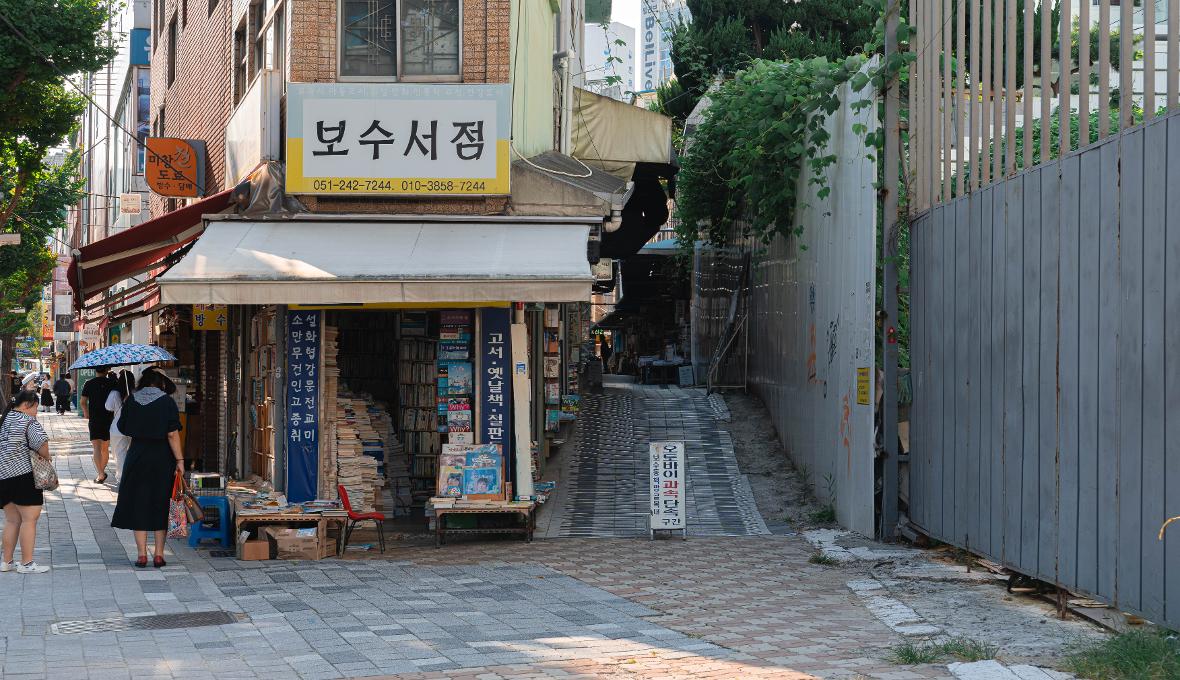
Bosu-dong Book Alley began after the Korean War when used book stalls spontaneously emerged to support students studying in makeshift classrooms. This alley soon became a symbolic cultural space where intellectuals and students, desperate for books, traded knowledge.
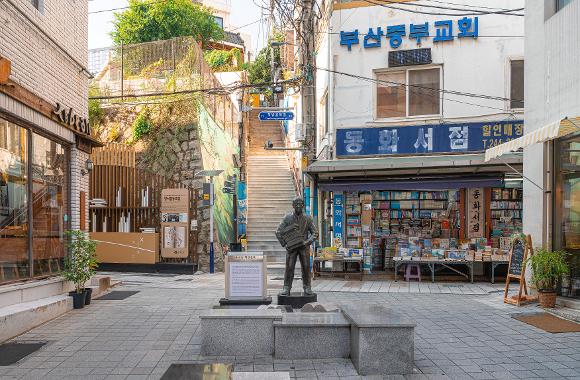
In the 1960s and 70s, over 70 shops gathered here, earning it the nickname "Culture Alley." Though today the area faces challenges from large used bookstores and online trading, it remains a special treasure trove for those seeking rare and antique volumes. Walking the alley, surrounded by old signs and towering piles of books, feels like traveling through time. It is a living space, layered with Busan's history and memories.
• Location: 67-1 Daecheong-ro, Jung-gu, Busan.
• Transportation: Subway Line 1, Jagalchi Station (Exit 3) OR Bus lines 40, 81, 15, or 126 toward Bupyeong-dong/Bosu-dong.
• Website
4. A Modern Icon for All: Ijaemo Pizza
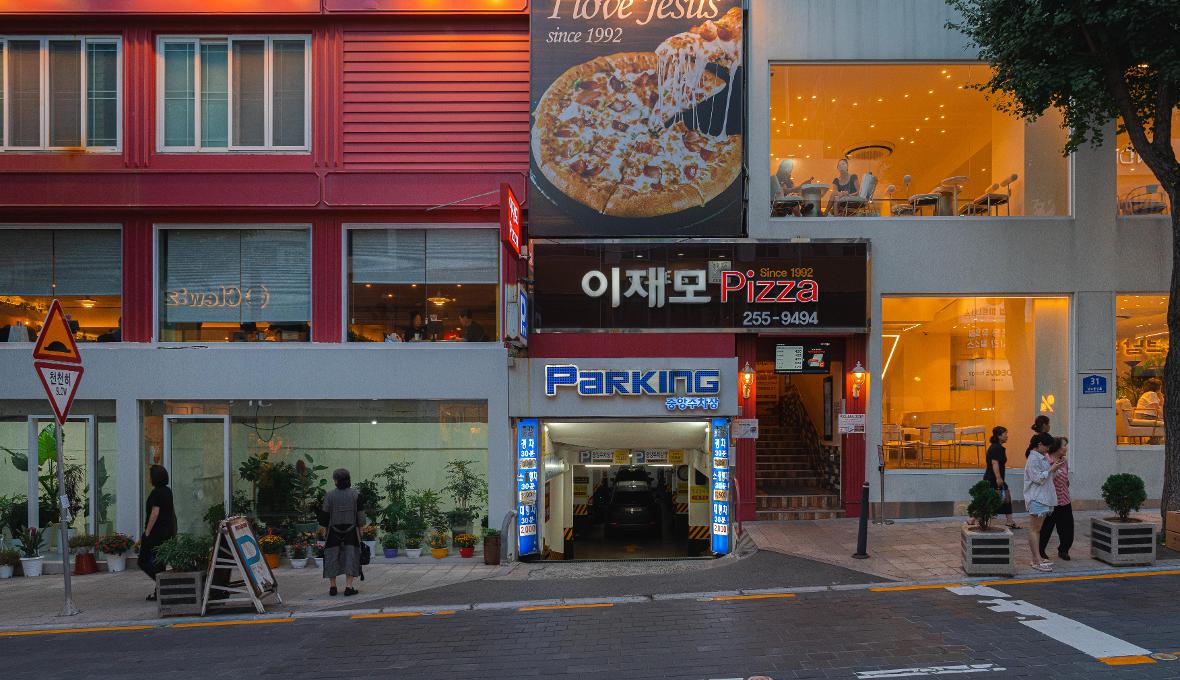
Though steeped in history, Nampo-dong also harbors modern-day legends. Ijaemo Pizza, which opened in 1992, has grown over three decades to become one of Busan’s representative eateries. The founder aimed to create a family dining culture, naming the restaurant after his mother.

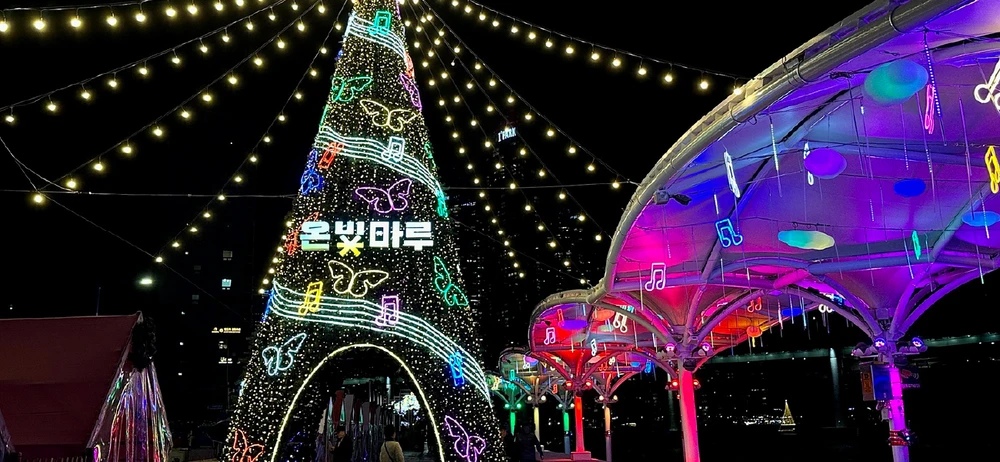
Ijaemo Pizza is more than just a restaurant; it has grown alongside local culture. Through community activities, the founder helped establish the Busan Christmas Tree Festival in Gwangbok-ro, cementing its role in the region. By preserving its nostalgic flavor while keeping pace with change, Ijaemo Pizza has become a contemporary symbol of Busan.
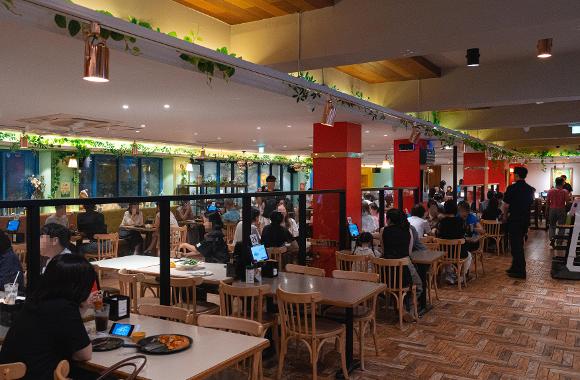
The restaurant gained national fame after 2018 as a "must-try pizza only available in Busan." Even during the pandemic, customers traveled from across the country, often waiting four to five hours. It currently ranks high on nationwide waiting lists. Its signature menu is the "Ijaemo Crust Pizza," known for its thick dough and abundant cheese, though the kimchi fried rice has also recently become popular.
• Location: 31 Gwangbokjungang-ro, Jung-gu, Busan.
• Transportation: Subway Line 1, Jungang Station (8-minute walk).
• Operating Hours: Monday–Saturday 10:00–21:10 (Last order 20:30). Closed Sundays. (Note: May close early if there is a long waiting list.)
Source: Busan newsletter



![[Food in Seoul] Via Toledo Pasta Bar – The Culinary World of Chef Kwon Seong Joon (Napoli Mafia)](/api/image-proxy?path=blog_posts%2F1739008404442%2Fimage-0-via_toledo_01.webp&token=38c0e3d3-e02e-4bcb-b728-8c73df27e9ff)