
Jongmyo Shrine: A Journey into the Soul of Joseon Dynasty Seoul
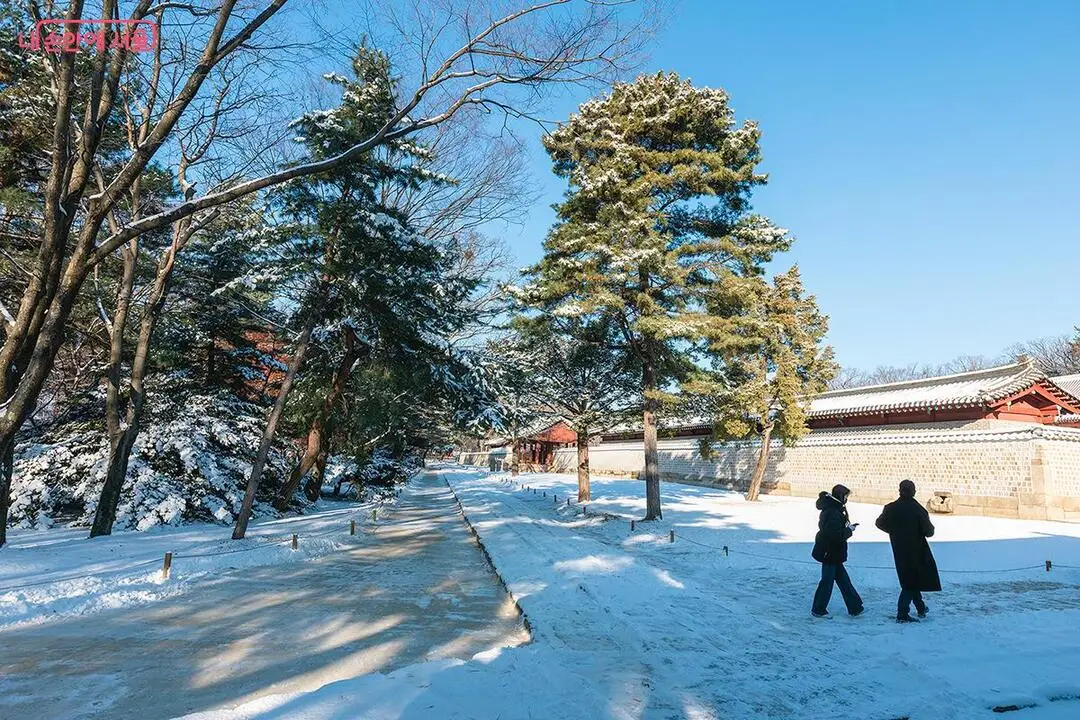
For visitors seeking to connect with the authentic heart of Korean history and tradition, Jongmyo Shrine is an essential destination. As the royal ancestral shrine of the Joseon Dynasty (1392–1897), Jongmyo is a UNESCO World Heritage site and a masterpiece of Korean architecture and ritual space.
Built in 1395 by King Taejo Yi Seong-gye, Jongmyo was the first structure erected when Seoul (then Hanyang) was established as the capital, following the Confucian principle that the royal shrine must be built before the palace.
UNESCO Heritage for a Modest Price
Jongmyo offers a remarkably affordable experience of world-class heritage:
• Admission: Only 1,000 KRW (under 25 and over 65 enter for free). This is truly a historical bargain.
• Location: Easily accessible via a 5-minute walk from Jongno 3-ga Station.
The Majesty of Architecture: Jeongjeon Hall
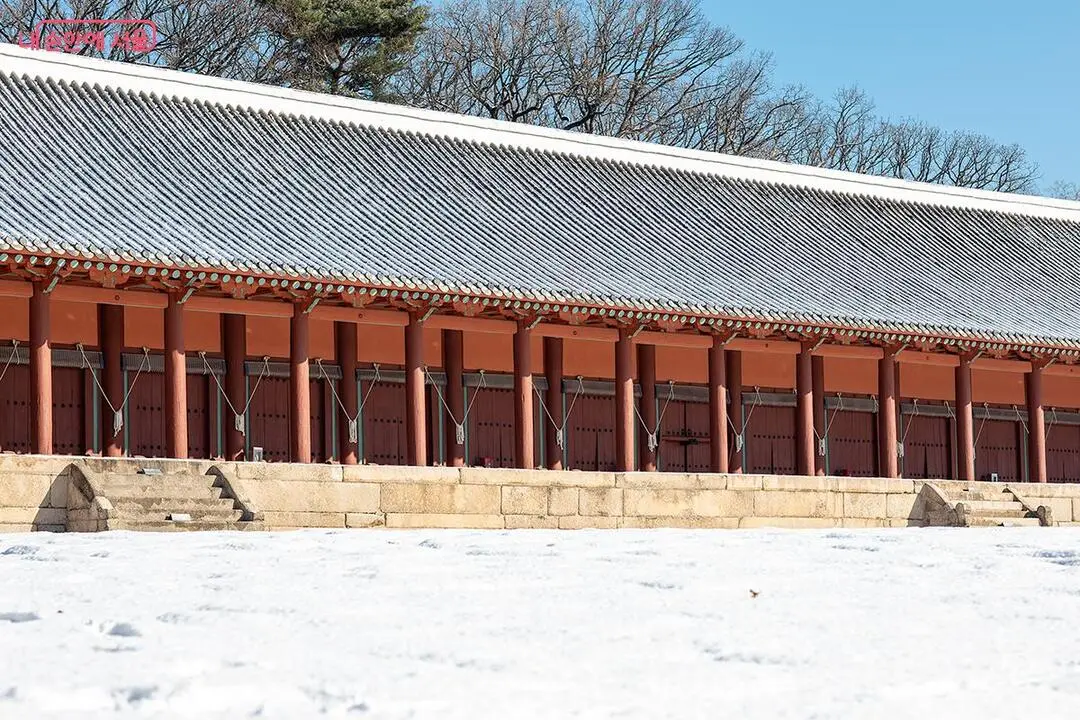
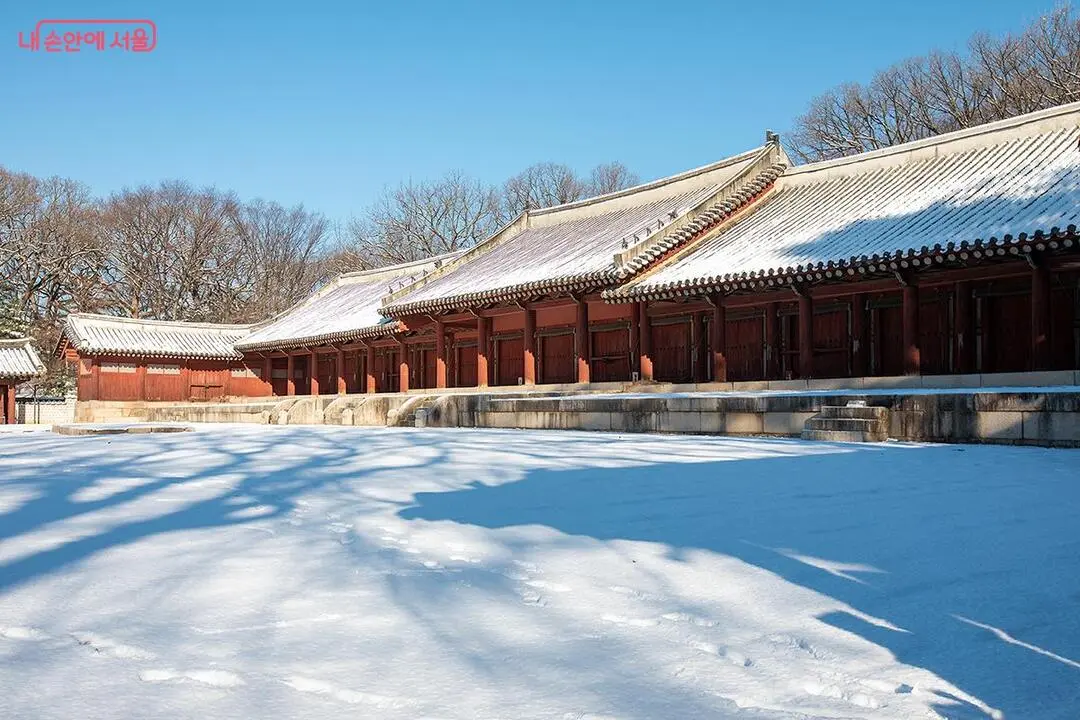
The central focus of Jongmyo is the Jeongjeon Hall, an architectural wonder stretching 101 meters (331 feet) in length. This is one of the longest continuous wooden structures in Korea.
• Function: Jeongjeon houses 19 chambers, enshrining the spirit tablets (shinju) of 49 royal figures (19 kings and 30 queens) who made significant contributions to the Joseon dynasty.
• Aesthetic: The long line of over twenty crimson pillars creates an atmosphere that is both austere and sacred, showcasing the restrained, formal beauty of Joseon royal architecture.
The adjacent Yeongnyeongjeon Hall (Hall of Eternal Peace) enshrines the tablets of 34 other royal figures, including those with shorter reigns.
A Space for Purity and Reflection
Every element within Jongmyo is designed for solemnity and ritual:
• Jaegung (Royal Waiting Hall): This is where the King and Crown Prince prepared for the ancestral rites, purifying their bodies and minds. It includes the Eojaesil (King's Chamber) and the Eomokyogcheong (Royal Bathing Chamber), where the King would ritually cleanse himself.
• Jeonsacheong (Ritual Preparation Hall): A courtyard complex where all the food and ritual items were prepared. Visitors can still see the stone mortars used for food preparation.
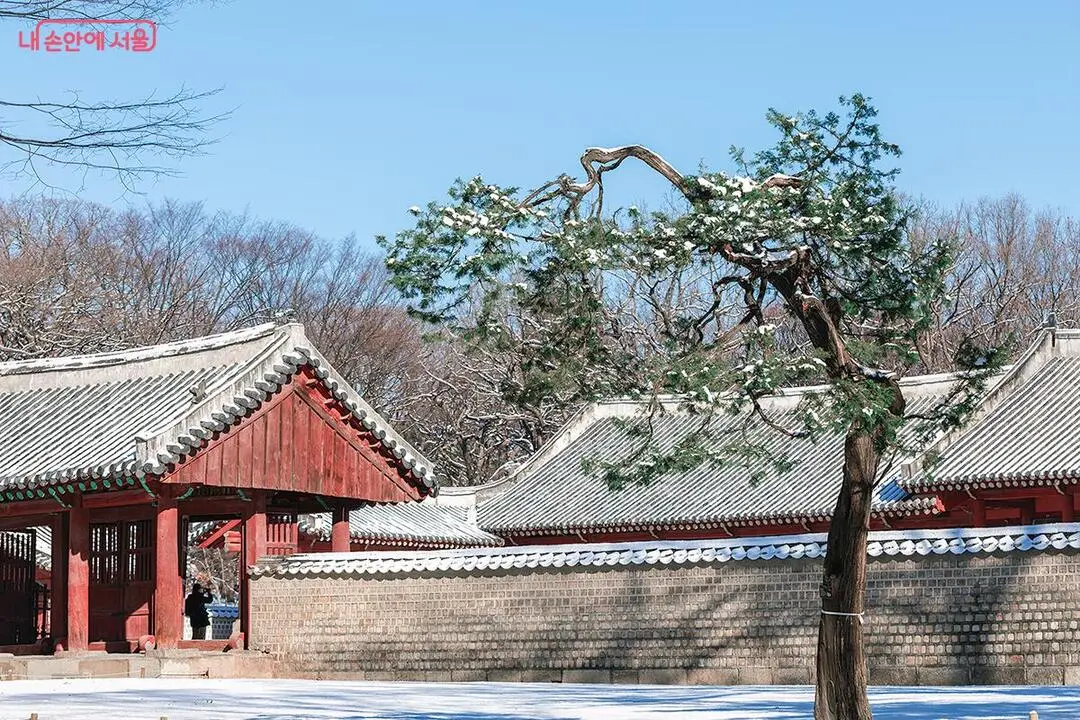
• Jungjidang Pond: This rectangular pond features a circular island with an ancient, elegant juniper tree (Hyangnamu). This design symbolizes heaven and earth and was a space where the King paused to meditate and purify his mind before rites.
Visitor Guidelines and Viewing Times
Jongmyo is an active sacred site, and its visiting policy differs depending on the day:
• Guided Tour Days (Mandatory): Visits on Monday, Wednesday, Thursday, and Friday operate under a Guided Tour system with a national heritage guide. Tours begin hourly.
- • Winter Schedule (November–January): Tours run from 9:20 AM to 4:20 PM (8 tours in total).
• Free Viewing Days (Self-Guided): Visitors may explore the grounds at their own pace without a guide on Saturday, Sunday, Public Holidays, and the last Wednesday of every month (Culture Day).
- • Winter Hours (November–January): 9:00 AM – 5:30 PM (Last entry 4:30 PM).
- • Note: The shrine is closed every Tuesday.
The Jongmyo Daeje (Royal Ancestral Rite), recognized as a Masterpiece of the Oral and Intangible Heritage of Humanity, is still performed annually on the first Sunday of May and the first Saturday of November.
Jongmyo is a profound and moving place. In any season, it offers a tranquil retreat in central Seoul where you can feel the quiet, dignified breath of 600 years of the Joseon Dynasty.
Visitor's information
Jongmyo Shrine
• Location: 157 Jong-ro, Jongno-gu, Seoul.
• Transport: 5-minute walk from Jongno 3-ga Station (Subway Line 1 Exit 11, or Line 3/5 Exit 8)
Reference: Seoul Newsletter

![[Food in Seoul] Via Toledo Pasta Bar – The Culinary World of Chef Kwon Seong Joon (Napoli Mafia)](/api/image-proxy?path=blog_posts%2F1739008404442%2Fimage-0-via_toledo_01.webp&token=38c0e3d3-e02e-4bcb-b728-8c73df27e9ff)