
Essential Knowledge when visiting South Korea: Part II. Dining and Experiences
Building on our first guide, this second installment focuses on two critical aspects of Korean travel: navigating the unique culture of dining and finding memorable, enriching activities across the country.
1. Korean Cuisine and Dining Etiquette
Korean food is a vibrant, communal experience. Understanding a few simple rules will make your meal smoother and more enjoyable.
Dining Etiquette Essentials
• Calling the Server: To get a server's attention, use the phrase "저기요 (Jeo-gi-yo)" which roughly translates to "Excuse me/Over here." Alternatively, many restaurants have a call button on the table - press it! Do not try to make eye contact or wave aggressively.
• Table Manners: Blowing your nose at the table is considered highly impolite. Please use the restroom if necessary.
• Paying the Bill: Unlike in many Western countries, you do not wait for the server to bring the check to your table. You should head to the front counter or designated payment station to settle the bill after your meal. No tips to pay, it's illegal in Korea.
• Recycling: When finished, please empty food and drink containers completely before tossing them into the designated bins, as recycling standards are strict.
Must-Try Food Categories
1. Korean BBQ (Grilled Dishes)
The ultimate communal dining experience, where food is often cooked right at your table.
• Samgyeopsal (삼겹살): Grilled pork belly. This is the casual, iconic staple of Korean BBQ and is often enjoyed with soju or beer.
• Galbi (갈비): Premium grilled ribs (usually beef or marinated pork). Perfect for special occasions.
• Ori-gogi (오리고기): Grilled duck. A delicious and often healthier alternative to traditional BBQ.
• Gopchang (곱창): Grilled intestines. A savory, chewy dish popular among adventurous food lovers.
2. Comfort Food and Stews (Jjigae)
Stews are served hot and meant to be shared (though often eaten individually in smaller bowls).
• Sundubu Jjigae (순두부찌개): Silky, soft tofu stew. This comforting dish can be customized by ordering it less or more spicy.
• Budae Jjigae (부대찌개): "Army Base Stew." A fusion dish featuring ham, spam, sausage, instant noodles, and kimchi, originating after the Korean War.
• Gamjatang (감자탕): Hearty pork spine soup with potatoes and perilla leaves. A rich, flavorful dish renowned as a perfect hangover cure.
• Samgyetang (삼계탕): Ginseng chicken soup. A whole young chicken stuffed with glutinous rice, ginseng, and herbs, traditionally eaten during the hottest summer days for health benefits.
3. Street Food and Quick Bites
• Tteokbokki (떡볶이): Spicy rice cakes stewed in a sweet red chili sauce. A beloved, quintessential street food experience.
• Korean Fried Chicken: Crispy, double-fried chicken served with a variety of sauces (like sweet and spicy Yangnyeom). An amazing accompaniment to beer (Chimaek culture).
• Kimbap (김밥): Korean rice rolls, similar to maki but typically seasoned with sesame oil and stuffed with various fillings (vegetables, egg, meat). Excellent for picnics or quick lunches.
4. Rice and Noodle Dishes
• Bibimbap (비빔밥): "Mixed Rice." A colorful bowl of rice topped with sautéed vegetables, meat, a raw or fried egg, and chili pepper paste (gochujang). A great introduction to Korean flavors.
• Jjajangmyeon (짜장면): Noodles topped with a thick, savory black bean sauce, often served with diced pork and vegetables. Korea's favorite comfort food delivered quickly.
2. Activities and Unique Korean Experiences
Beyond the historical palaces and shopping districts, these activities offer deeper cultural immersion and modern local fun.
Traditional Immersion
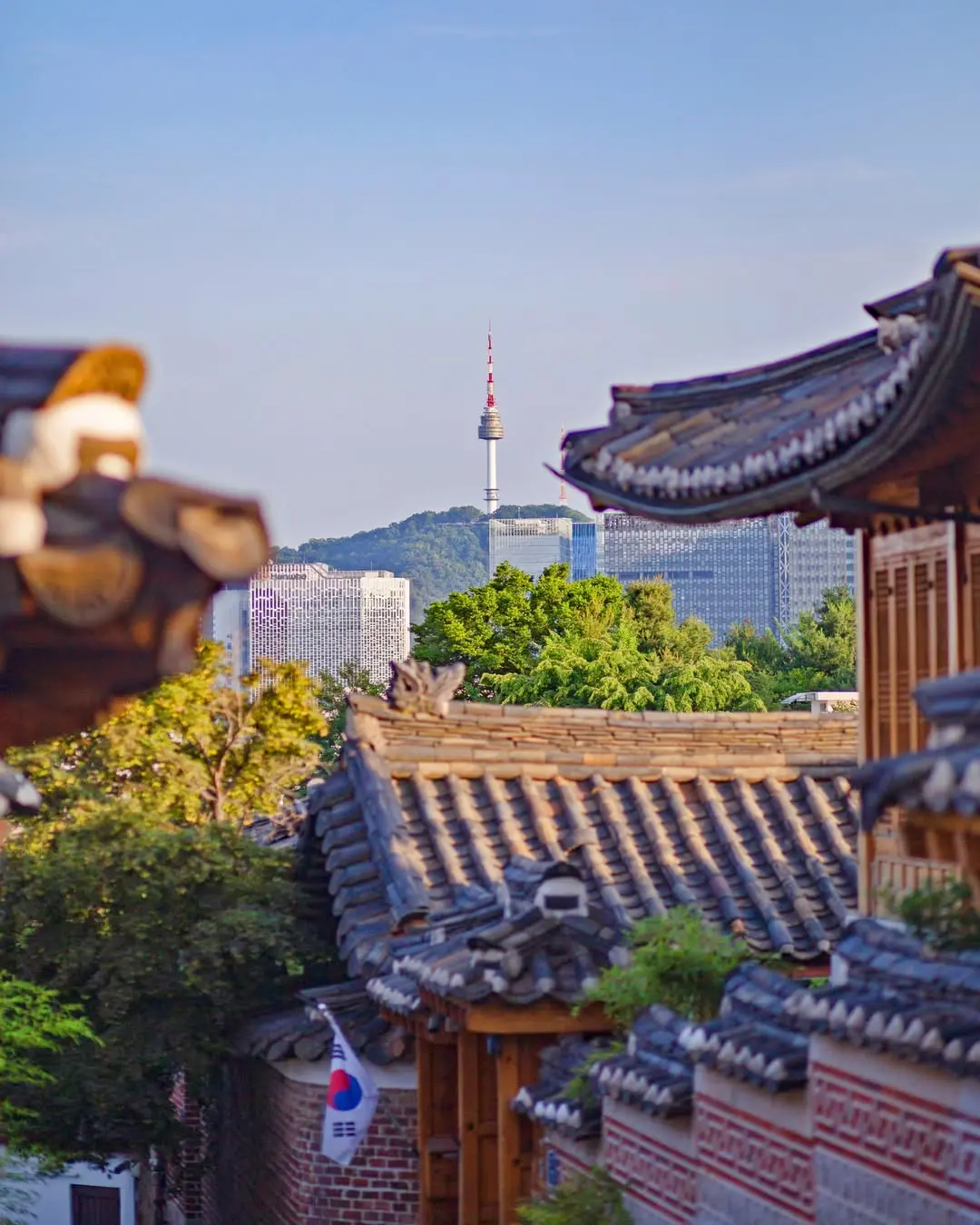
• Hanok Stay: Experience traditional Korean architecture by booking accommodation in a Hanok. These stays often provide a unique cultural immersion, sometimes including floor sleeping (Ondol heating system).
• Temple Stay: Engage in a spiritual retreat at a Buddhist temple, often located in serene mountainous areas. Participants can learn about Buddhist culture and participate in meditation and daily rituals.
!URL[https://koreawhattodo.com/blog/1741220985001]
• Tea Ceremony: Participate in a traditional tea ceremony to learn about Korean customs and appreciate the subtle flavors of local teas in a peaceful setting.
Modern and Scenic Leisure
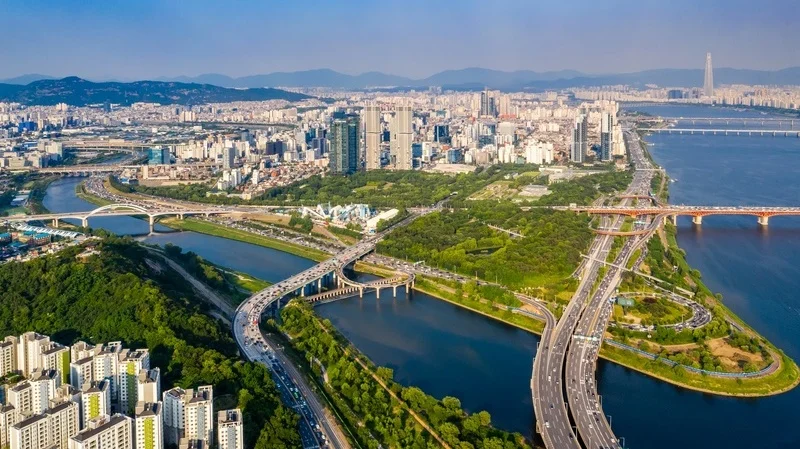
• Picnic at Hangang (Han River): Join locals at one of Seoul's many Han River parks for a quintessential urban experience.
- Tip: You can easily order delivery food (like Chimaek) right to your picnic spot. Recommended parks include Yeouido, Mangwon, Banpo, and Nodeulseom Island.
!URL[https://koreawhattodo.com/blog/1741308175775]
• Café Hopping: Explore Korea's dynamic and creative café culture. Areas like Hongdae, Yeonnam, and Seongsu are famous for unique themed cafés and trendy dessert spots.
!URL[https://koreawhattodo.com/blog/1740541694504]
!URL[https://koreawhattodo.com/blog/1740566519595]
• Hiking in National Parks: Explore the stunning natural beauty of Korea. Popular choices near Seoul include Bukhansan National Park, while further afield, Seoraksan National Park offers spectacular scenery.


![[Food in Seoul] Via Toledo Pasta Bar – The Culinary World of Chef Kwon Seong Joon (Napoli Mafia)](/api/image-proxy?path=blog_posts%2F1739008404442%2Fimage-0-via_toledo_01.webp&token=38c0e3d3-e02e-4bcb-b728-8c73df27e9ff)