
Yeongdo Bridge: A Space of Tearful Promises and Reunion
"Let's meet at Yeongdo Bridge."
For many, this bridge is more than just a structure connecting land to an island; it is a poignant symbol of survival and hope. While the notes fluttering on the railings searching for lost family members are long gone, the bridge remains a place that brings tears to the eyes of those who remember the past.
A Historic Landmark
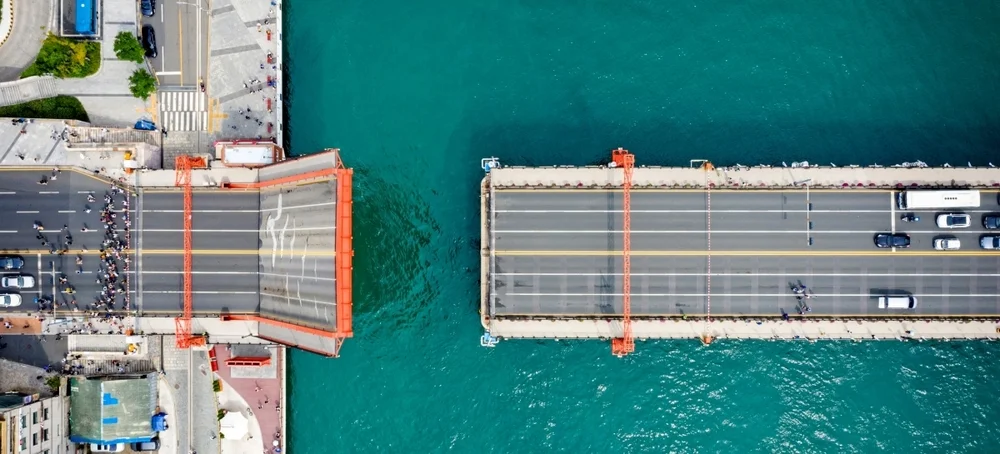
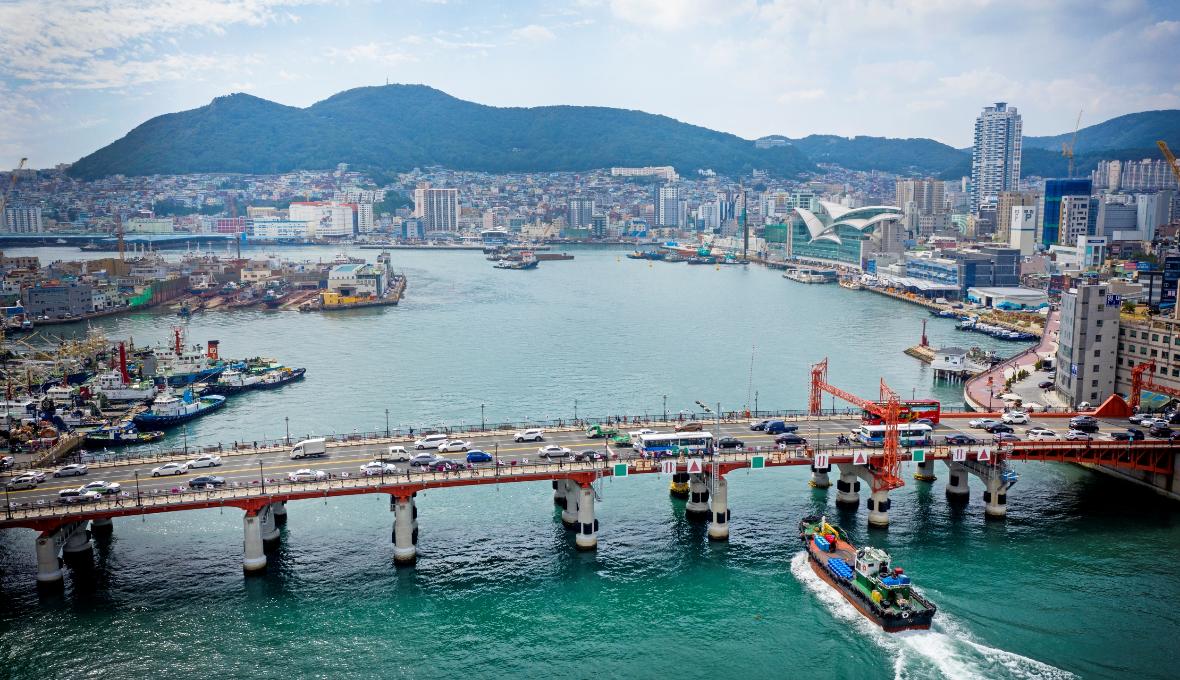
Yeongdo Bridge (Yeongdodaegyo) connects the Jung-gu district of Busan with the island district of Yeongdo. Built during the Japanese colonial era in 1934, it was constructed to connect Busan Port—a base for logistics—with the island.
On its opening day, it was the first drawbridge (bascule bridge) in Busan, and crowds from all over the country gathered to watch the bridge lift its massive steel frame to let ships pass. It became a national landmark known to everyone, often affectionately called "Yeongdo-dari" (Yeongdo Bridge) rather than its formal name.
The Heart of the Korean War Refugees
During the chaos of the Korean War (1950–1953), Yeongdo Bridge became a beacon of hope for refugees fleeing to Busan. For many who had lost their homes and were separated from their families, this bridge was the only famous landmark they knew in the unfamiliar city.
"If we get separated, let's meet at Yeongdo Bridge."
This desperate promise turned the bridge into a meeting point. The railings were densely packed with notes written on yellow paper or torn cloth, all searching for lost loved ones. Underneath the bridge, a "Fortune Teller Alley" formed, where anxious refugees sought any news—whether their family members were dead or alive. It was a place where the deep sorrow, hope, and despair of the war accumulated.
The Return of the Drawbridge
As the pain of the war faded into history, the bridge stopped lifting in 1966 due to aging and increased traffic. With the opening of the nearby Busan Bridge, there was even talk of demolishing it. However, thanks to the citizens' desire to remember and share the history, the bridge was restored and the lifting function was resumed 47 years later.
Today, the site where refugees once gathered in desperation has become a famous tourist attraction.
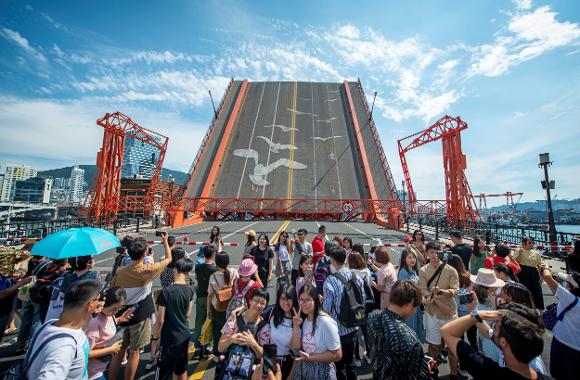
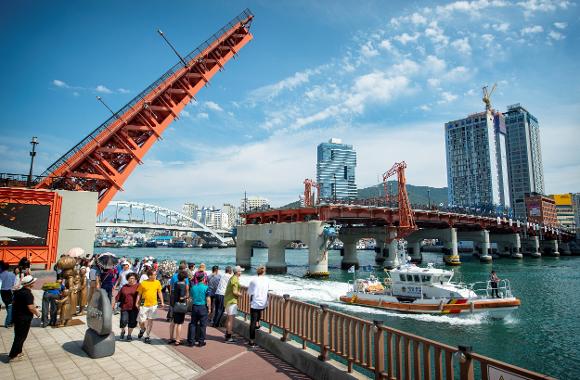
The Lifting Ceremony: As 2:00 PM approaches, a siren sounds and the barrier comes down. All traffic stops, and slowly, the bridge begins to rise. This event, which lasts for 15 minutes, feels like a solemn ritual asking us to remember the sorrow and history the bridge holds. Once the bridge lowers, traffic resumes as if nothing happened, leaving only the waves rippling below where so many once waited for familiar faces.
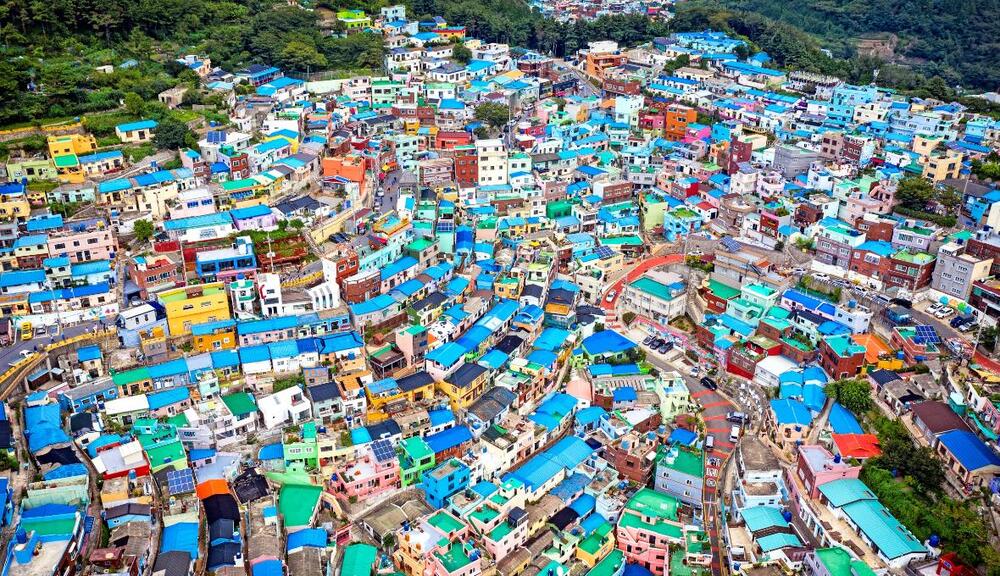
After crossing this bridge of history, travelers often continue their journey to nearby Taejongdae Park or the Huinnyeoul Culture Village.
Visitor Information
• Location: 46 Taejong-ro, Yeongdo-gu, Busan.
• Admission: Free.
• Lifting Schedule: Every Saturday at 14:00 (Runs for 15 minutes)
How to Get There
• Subway: Take Line 1 to Nampo Station. It is a 4-minute walk from Exit 6 or Exit 8.
• Bus: Buses 6, 7, 8, 9, 17, 30, 71, 82, 85, 88, 113, 186, 190, or 508. Get off at the Yeongdodaegyo (Yeongdo Bridge) stop.
BUSAN ONE DAY TOUR TICKET on Klook
• Busan One Day Tour for Major Places
Source: Busan newsletter


![[Food in Seoul] Via Toledo Pasta Bar – The Culinary World of Chef Kwon Seong Joon (Napoli Mafia)](/api/image-proxy?path=blog_posts%2F1739008404442%2Fimage-0-via_toledo_01.webp&token=38c0e3d3-e02e-4bcb-b728-8c73df27e9ff)