

[Seoul Fine Dining] Inside Mosu Seoul: Chef Ahn Sung-jae’s Michelin 3 Star Masterpiece
If you have watched Netflix’s Culinary Class Wars (Black and White Chef), you likely know Chef Ahn Sung-jae. As the only Michelin 3 star chef in Korea, his restaurant, Mosu Seoul, has become the most coveted reservation in the country.
Located in the quiet, upscale neighborhood of Hannam-dong, Mosu offers an experience that goes beyond mere eating - it is a study in precision, ingredients, and innovation.
Location and arrival
MOSU Seoul is in Itaewon (Yongsan-gu), near Grand Hyatt Seoul - close enough that many guests describe it as a short walk from the hotel area.
A common first impression: as you enter the small street, you may notice a wood-fire/charcoal aroma and staff ready to escort you in. The entry signage is simple (“MOSU Seoul”), setting the tone for a clean, modern experience.
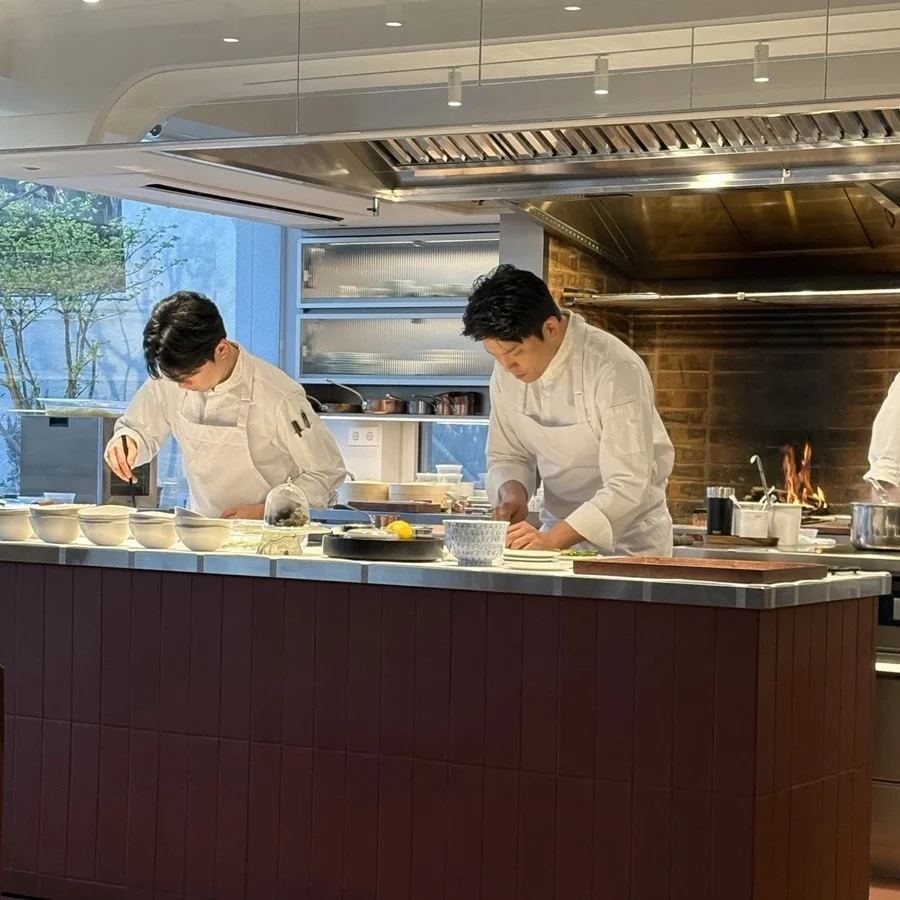
• 1st Floor: Features the open kitchen and a few tables. This is the "front row" seat where you can watch Chef Ahn and his team work in silence and focus - no shouting, just professional precision.
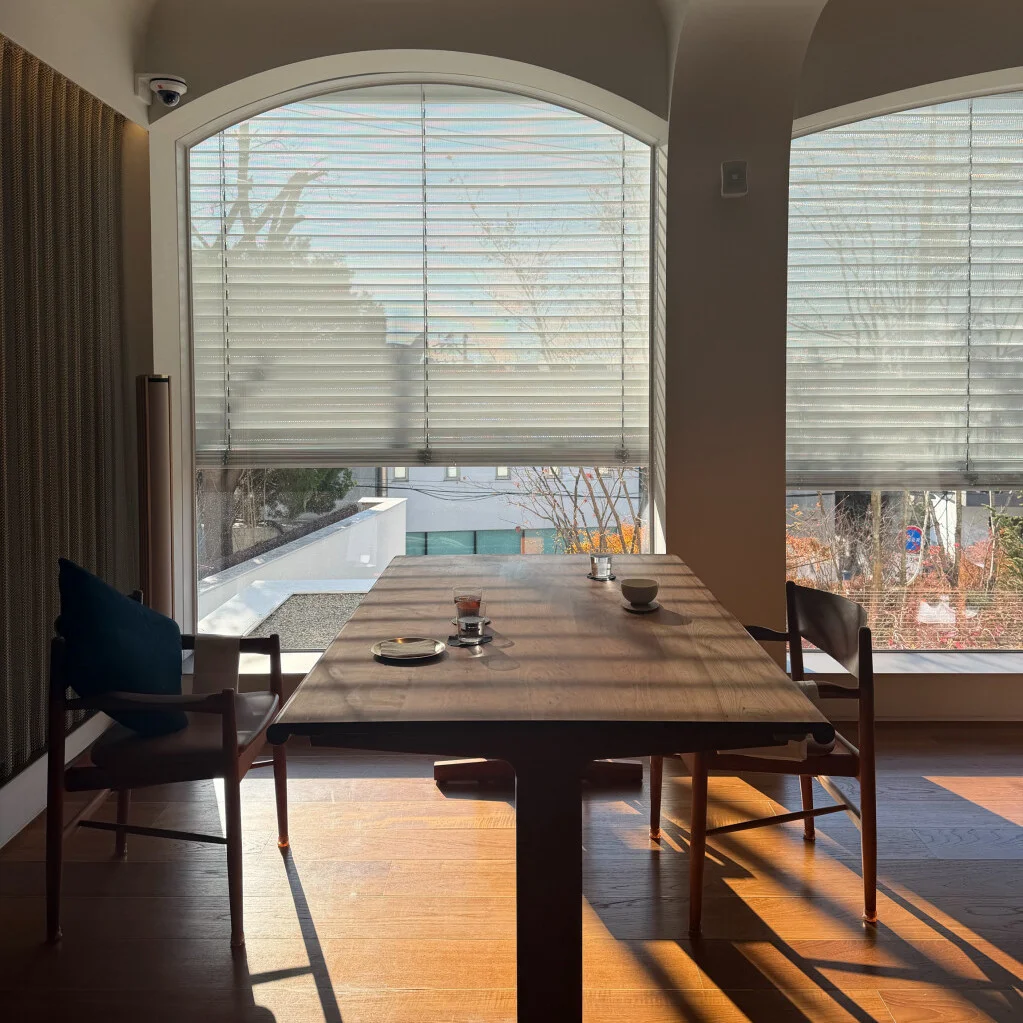
• 2nd Floor: The main dining hall.
Note: Some visitors have noted that the acoustics can be a bit echoey due to the open structure, so expect a lively, rather than library-quiet, atmosphere.
The Course - highlights that guests consistently remember
Rather than listing every component, here are the dishes and moments that repeatedly stand out.
1. The opening small bites (strong start)
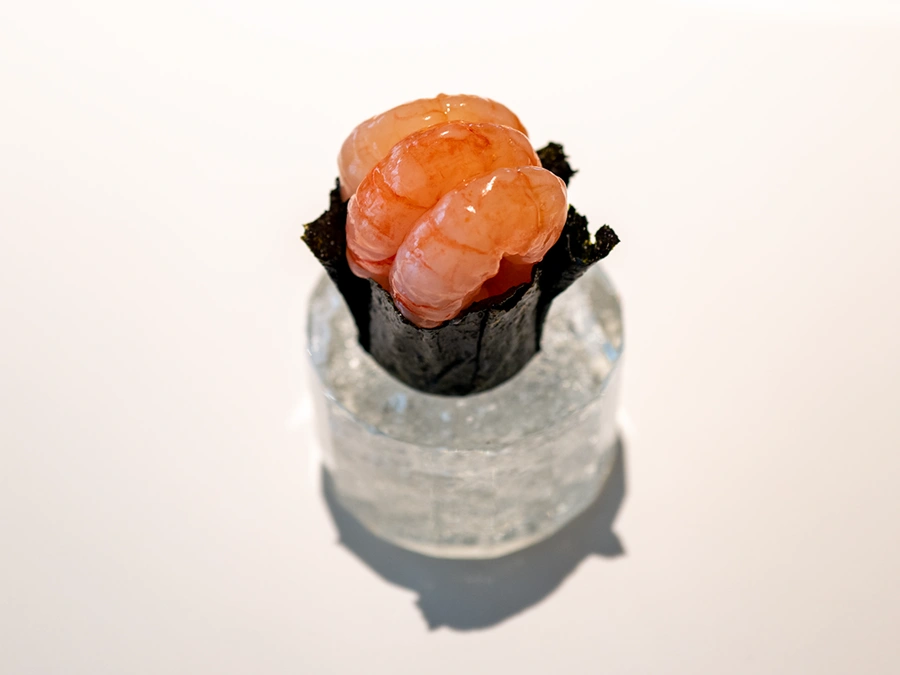
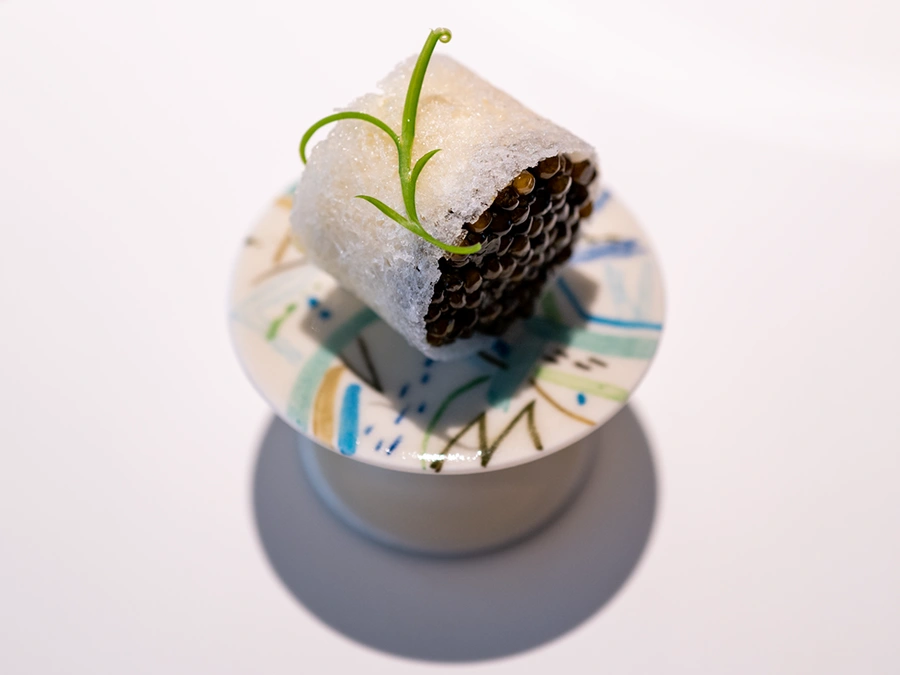
Many guests single out the seaweed (gim) cup bite: crisp, fire-kissed seaweed wrapped around a potato component, finished with a sweet, delicate seafood topping (often shrimp or scallop depending on the day). It’s frequently described as the “instant hook” of the meal—salty, sweet, crisp, and clean.
Other small bites often mentioned include:
• a tomato essence / tomato shot style bite (bright, refreshing),
• a mushroom tart with a very thin, crisp shell and rich aromatic filling,
• and an abalone “taco” concept using a delicate, crunchy shell (often yuba-based) with sea-forward richness inside.
2. Zucchini “noodles”: surprisingly addictive
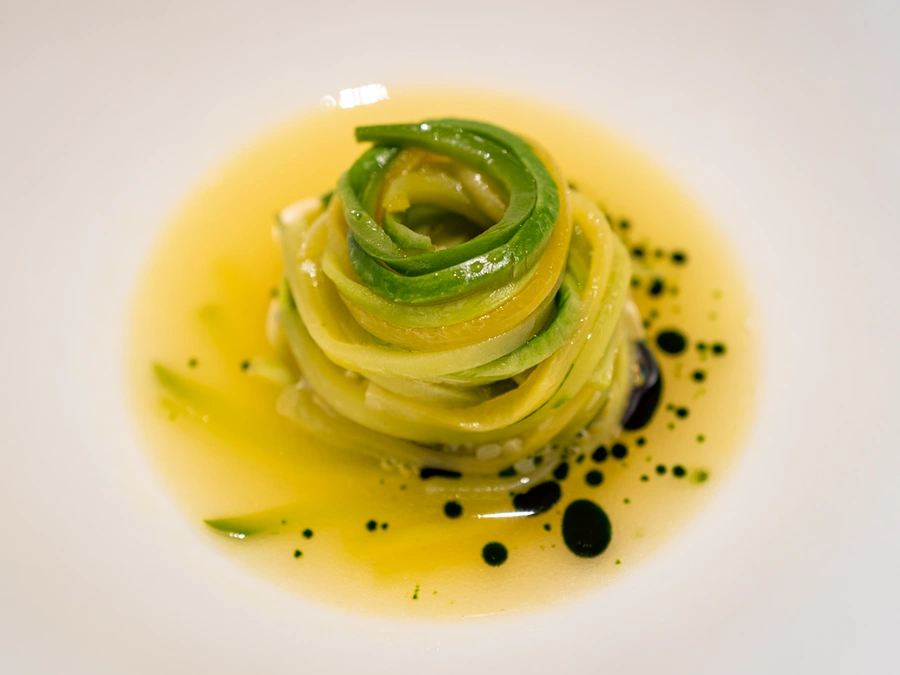
One of the most polarizing-but-memorable courses is a zucchini noodle dish. Several diners describe it as shockingly delicious for something so simple-sounding - light, savory, and more satisfying than expected. A minority felt it interrupted the flow, but if you enjoy clean, vegetable-driven courses, you may love it.
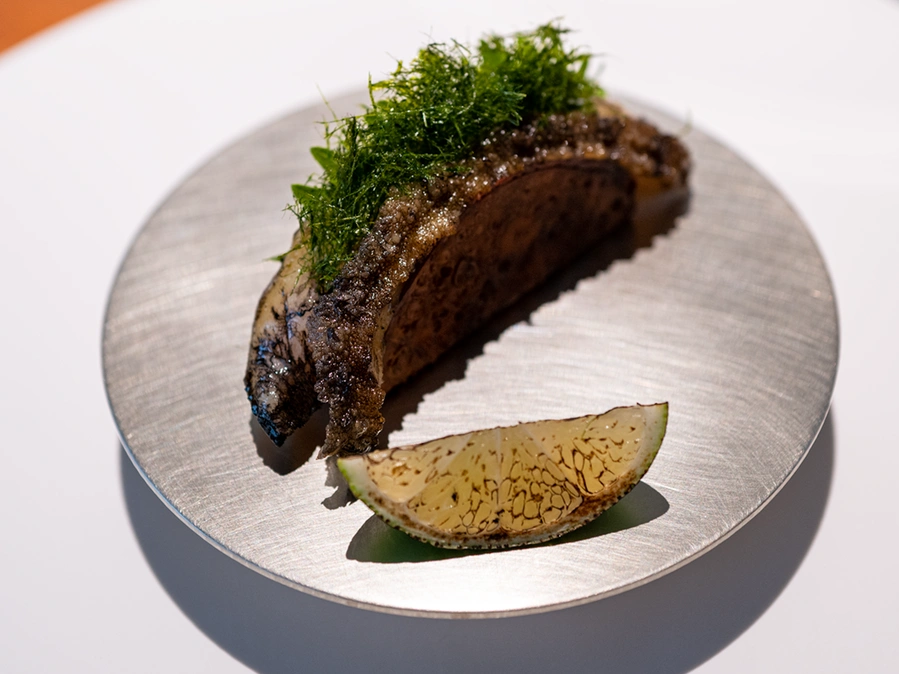
3. Sesame tofu + sea urchin (uni): amazing when the uni is great
A sesame tofu course (sometimes with uni) can be a highlight - nutty, silky, and deeply savory. One recurring caveat: because uni quality can vary, if the uni isn’t at its best, the dish may land less successfully. When it’s good, it’s one of the “wow” bites.
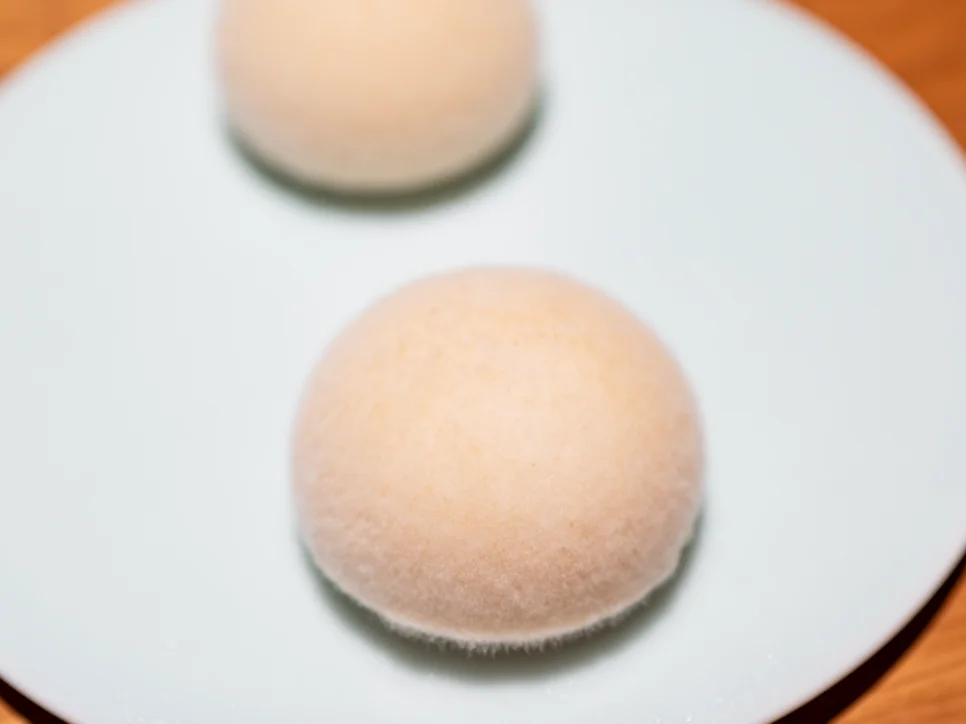
4. The “bread” that isn’t bread
MOSU is known for a dish described by diners as a “bread” moment- but it’s often presented as a bread-like ice cream concept with olive oil/balsamic tones and crunchy grains (like quinoa) to mimic rustic texture. Some people love its boldness; others find it so intense it competes with the next course. It’s creative and memorable either way.
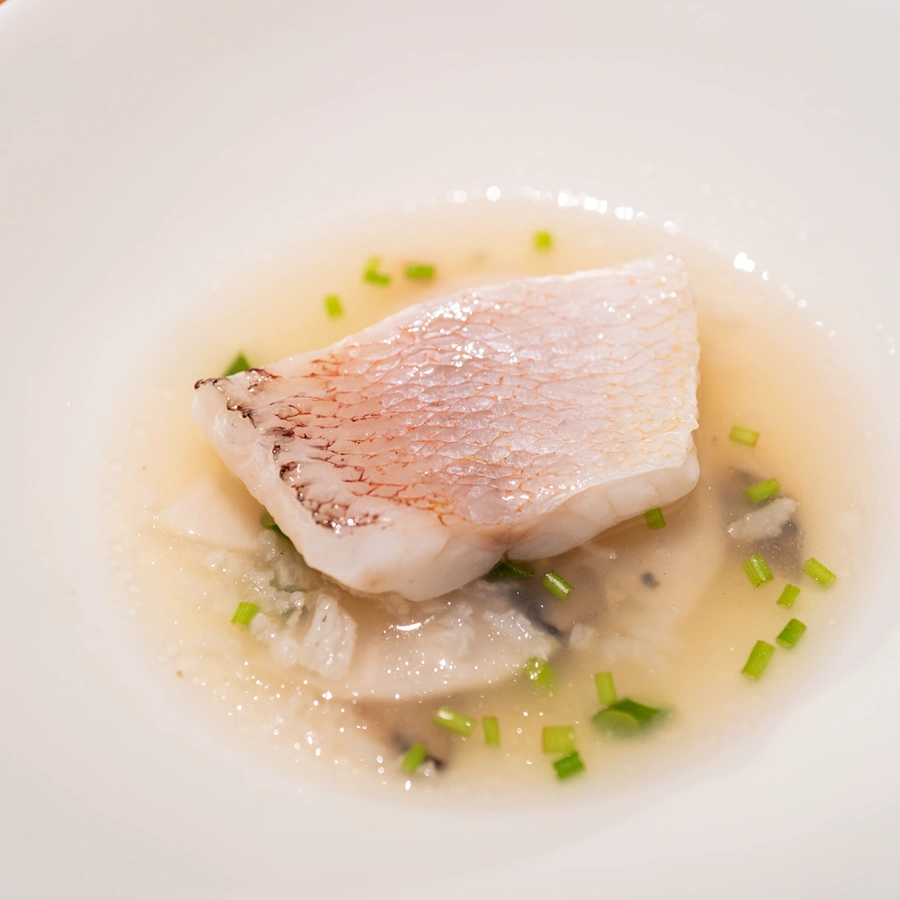
5. Fish courses: precise grilling and modern Korean sensibility
Fish dishes - such as tilefish (okdom) and a charcoal-grilled flatfish/halibut style course - are often praised for:
• even cooking,
• delicate flake and moisture,
• and sauces that feel intentional rather than heavy.
One critique that appears: if acidity and fermented notes stack up, a course can finish slightly bitter for some palates. If you’re very acid-sensitive, keep that in mind—but many still rate the fish sequence as a top strength.
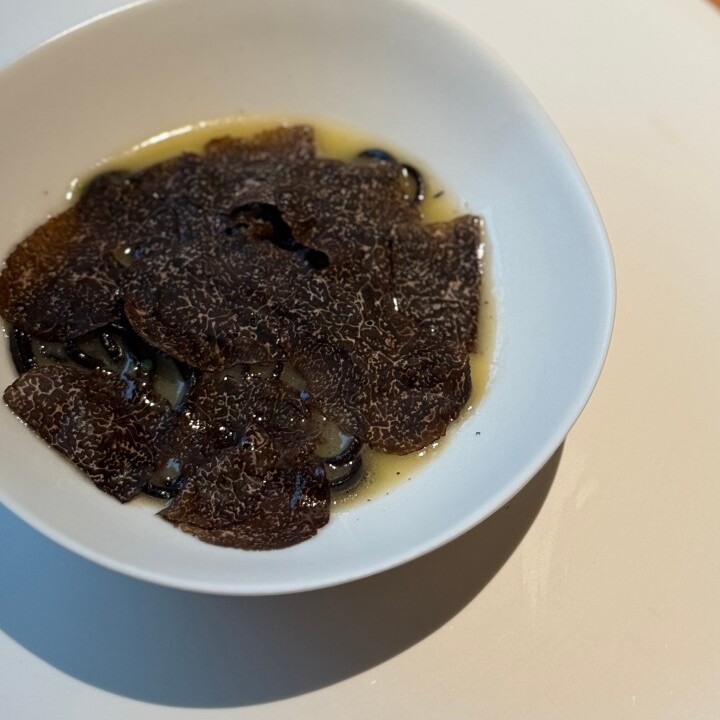
6. The signature: “acorn noodles”
If MOSU has a must-try, it’s the acorn noodles course. Guests repeatedly call it the dish they would happily eat again immediately - elastic texture, deep savoriness, and balance that feels luxurious without being overwhelming. Even diners with mixed overall impressions often admit this dish alone can justify a return visit.
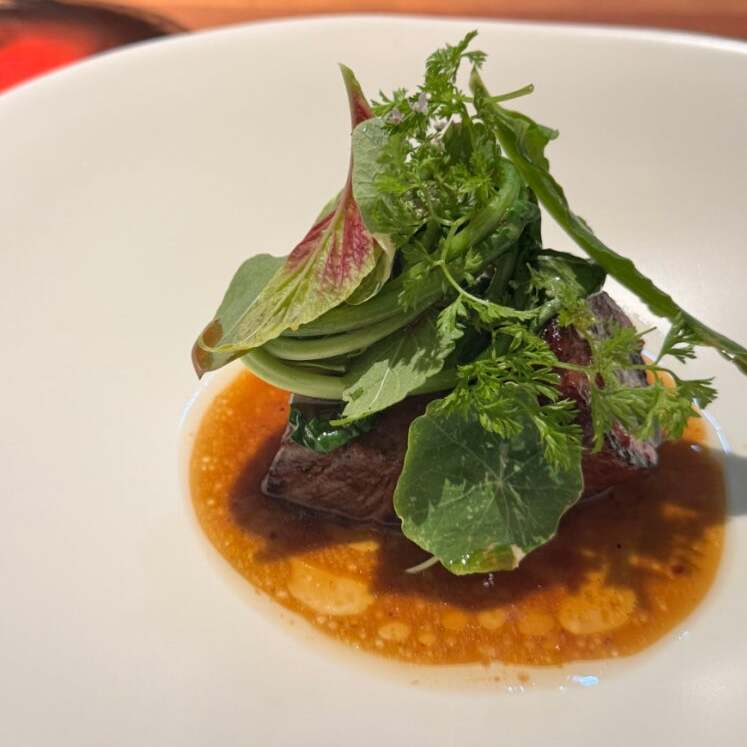
7. Beef main: good, but not always the star
The main course usually includes Korean beef (sometimes a steak cut + a Tteokgalbi-style component) served with vegetables and sauces that lean slightly “Korean” rather than purely Western steakhouse.
Honest expectation-setting: a number of diners loved it, but others felt it was less distinctive than the earlier courses—especially after such strong seafood/noodle highlights. In short: it’s satisfying, but MOSU’s “signature energy” tends to be earlier in the meal.
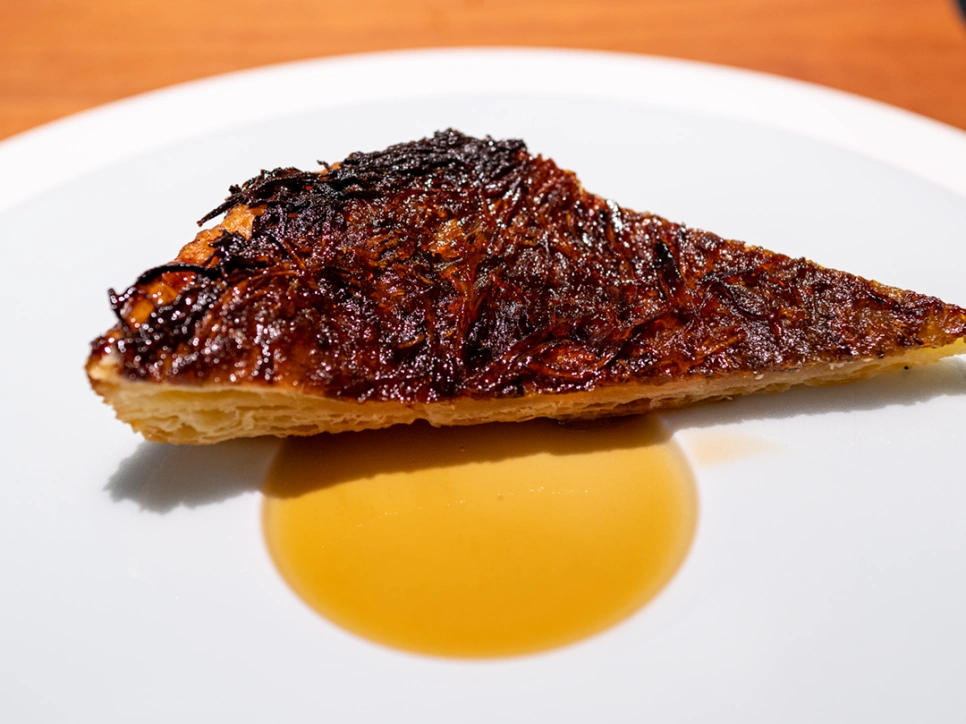
Desserts: unexpectedly strong finish
Desserts are frequently mentioned as a pleasant surprise:
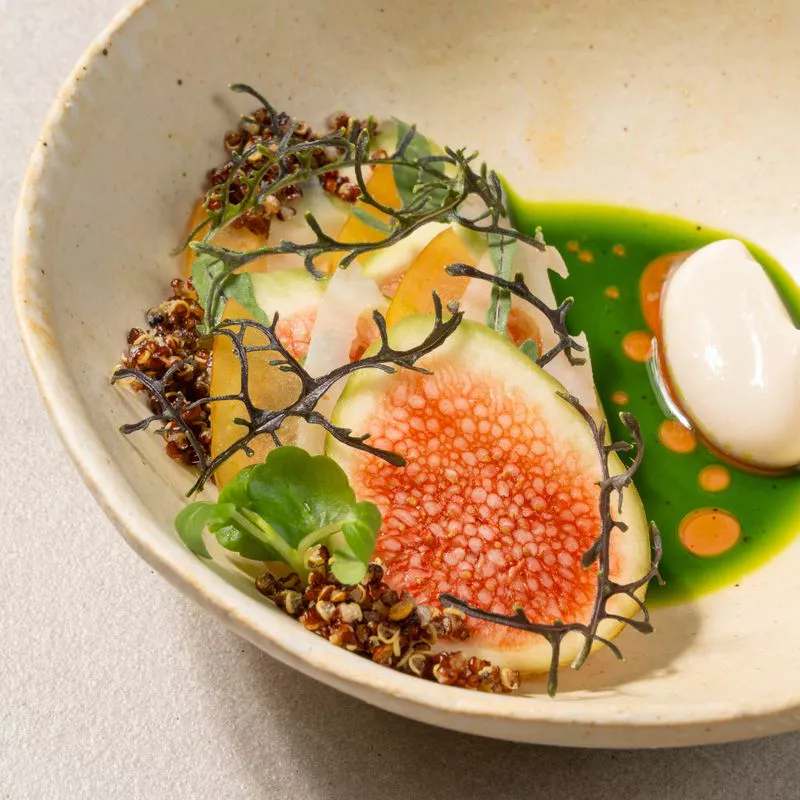
• a jasmine sorbet or similar cleanser,
• a fermented rice cake-like bite,
• and an umami-leaning seaweed/kelp ice cream style dessert that many diners love for being bold, savory-sweet, and very “MOSU.”
The ending typically includes tea/coffee and a small traditional sweet (like yakgwa).
Wine Pairing
Based on reviews, the Wine Pairing (approx. 190,000 KRW ~ varies by course size) is highly recommended. The sommeliers curate a mix of visuals and tastes, from 2015 Dom Pérignon to specialized sakes, which elevate the dining experience significantly.
Tip: If you cannot drink alcohol, they offer a tea-based non-alcoholic pairing, though reviews suggest the wine pairing offers better value for flavor.
Service details that matter to travelers
Small touches come up repeatedly:
• water is refilled attentively throughout,
• staff manage pacing smoothly (important for long tastings),
• dietary restrictions can be accommodated with advance notice (for example, substituting raw items when needed),
• and practical help—like lending a phone battery—can happen without fuss.
Overall service is generally described as polished, calm, and precise.
Visitors Information
• Reservation: Essential. Reservations open via Catchtable about 3 months in advance and sell out instantly. (Reservation Link)
• Price: ~420,000 KRW (Dinner Course).
• Hours: 17:00 - 23:00 (Closed Sundays & Mondays). Lunch is available Thu-Sat.
• Dress Code: Smart Casual.
• Kids: Pre-school children are generally not permitted.
• Parking: Valet available
Other 'Culinary Class Wars' Chefs Restaurants
!URL[https://koreawhattodo.com/blog/1765170806098]
!URL[https://koreawhattodo.com/blog/1764743225015]
!URL[https://koreawhattodo.com/blog/1739278086134]
![[Culinary Class Wars 2] Chef Son Jong-won's New Korean Fine Dining Masterpiece, Eatanic Garden](/api/image-proxy?path=blog_posts%2F1765170806098%2Fimage-0-rubav.jpg&token=c33aa053-a660-4d44-b3ee-63eea2b8c27f)
![[Food in Seoul] Via Toledo Pasta Bar – The Culinary World of Chef Kwon Seong Joon (Napoli Mafia)](/api/image-proxy?path=blog_posts%2F1739008404442%2Fimage-0-via_toledo_01.webp&token=38c0e3d3-e02e-4bcb-b728-8c73df27e9ff)
![[Food in Seoul] Korean Fine Dining "DOORI" – Christmas Seasonal Course Experience](/api/image-proxy?path=blog_posts%2F1738712887945%2Fimage-0-1.webp&token=9f78d2cb-920e-4493-9c8e-81351509ad00)